Finance Ministry job ended unceremoniously, says Subhash Chandra Garg

He said he could have become the longest-serving finance secretary if he had held the post until his superannuation in October 2020
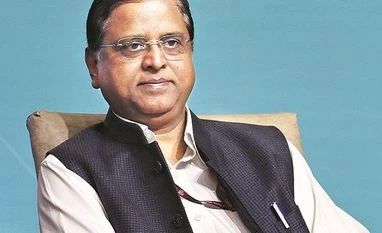
Subhash Chandra Garg, former Finance secretary
Indivjal Dhasmana New Delhi
2 min read Last Updated : Nov 01 2019 | 2:35 AM IST
Subhash Chandra Garg (pictured), who retired on Thursday on voluntary basis after he was shifted from the post of the finance secretary to the power secretary, said his postings as the head of the finance departments at the Centre and in Rajasthan ended “little bit unceremoniously”.

“It is not that I was immune to the consequences of my independent and unconventional ways of functioning. It might be a little strange, but all my postings as chief of finance departments in the state (Rajasthan) and at the Centre ended little bit unceremoniously,” he wrote on Twitter. The power secretary said he was an “independent-minded officer” who implemented bold and unconventional decisions that may have not kept his bosses in “good humour” sometimes.

He said he could have become the longest-serving finance secretary if he had held the post until his superannuation in October 2020.

Garg, a 1983-batch IAS officer of the Rajasthan cadre, was designated finance secretary in March 2019 as he was the senior-most secretary in the finance ministry. He had held the post of economic affairs secretary that time. 

In July, he was shifted to the power ministry as secretary, but he opted for voluntary retirement. Though there was no official reason given for his reshuffle, it was speculated that the proposal of overseas sovereign bond mooted by him was the reason behind his transfer. 

Garg also pressed for a transfer of the Reserve Bank of India’s  reserves to the government. The Bimal Jalan committee was looking at the capital economic framework that time. It was also speculated that he might give a dissent note to the panel finding. But before the panel could finalise its report, he was transferred from the finance ministry.

In his note, Garg highlighted the point that there was little investment happening in infrastructure despite this being the biggest opportunity. 

“There is enormous unmet demand in housing, roads, airports, railways, energy, and irrigation," he said.  

He said no businesses would invest when there are no returns. 

Garg said he saw himself as a policy analyst, policy craftsman, and strategist and an advocate for developing the right kind of economic and financial policy framework for India achieving the target of $10-trillion economy.

One subscription. Two world-class reads.

Already subscribed? Log in

Subscribe to read the full story →
*Subscribe to Business Standard digital and get complimentary access to The New York Times

Smart Quarterly

₹900

3 Months

₹300/Month

SAVE 25%

Smart Essential

₹2,700

1 Year

₹225/Month

SAVE 46%
*Complimentary New York Times access for the 2nd year will be given after 12 months

Super Saver

₹3,900

2 Years

₹162/Month

Subscribe

Renews automatically, cancel anytime

Here’s what’s included in our digital subscription plans

Exclusive premium stories online

  • Over 30 premium stories daily, handpicked by our editors

Complimentary Access to The New York Times

  • News, Games, Cooking, Audio, Wirecutter & The Athletic

Business Standard Epaper

  • Digital replica of our daily newspaper — with options to read, save, and share

Curated Newsletters

  • Insights on markets, finance, politics, tech, and more delivered to your inbox

Market Analysis & Investment Insights

  • In-depth market analysis & insights with access to The Smart Investor

Archives

  • Repository of articles and publications dating back to 1997

Ad-free Reading

  • Uninterrupted reading experience with no advertisements

Seamless Access Across All Devices

  • Access Business Standard across devices — mobile, tablet, or PC, via web or app

Topics :Finance MinistrySubhash Chandra GargFinance ministry versus RBI

Next Story



