Govt is expecting additional money from RBI as dividend: Subhash C Garg

Garg, speaking to reporters on the sidelines of an event in Mumbai, said the RBI had already transferred about Rs 300 billion for 2016-17
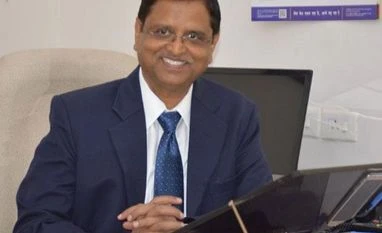
Economic Affairs Secretary SUBHASH GARG
Subhash Garg, Economic Affairs Secretary
Abhijit Lele Mumbai
Last Updated : Mar 09 2018 | 5:37 AM IST
The government is expecting additional money from the Reserve Bank of India (RBI) as dividend this month, Subhash C Garg, secretary, Department of Economic Affairs, said on Thursday.

In August, the RBI had paid the government a dividend of Rs 306.59 billion for the year ended June 2017. The amount was less than half of Rs 658.76 billion it had paid in 2015-16. The RBI’s financial year runs from July to June.

The government is looking for additional funds from various sources, including dividends from state-owned entities and a transfer of surplus from the central bank, to bridge the fiscal deficit gap in 2017-18. The fiscal deficit is expected to widen to 3.5 per cent of the gross domestic product (GDP) in the current financial year, as against the budget estimate of 3.2 per cent.

Garg, speaking to reporters on the sidelines of an event in Mumbai, said the RBI had already transferred about Rs 300 billion for 2016-17. “Some more is expected to happen (extra dividend) this month itself,” he added.

He, however, declined to disclose any details of the dividend, including the year for which the RBI would be giving the amount. “I would not be getting into the specific colour and kind of dividend,” Garg said.

Abundant liquidity with banks after demonetisation, resultant reverse repo measures by the RBI, and the cost of printing new currency notes had led to a fall in the central bank’s transfer of surplus to the Union government for the year ended June 2017. The strengthening of the rupee against the dollar also pulled down the value assets owned by the RBI overseas.

According to sources, the government may get additional dividend of Rs 100 billion from the RBI this month. Under the RBI Act, 1934, the central bank is required to pay the government its surplus after making provisions for bad and doubtful debts, depreciation in assets and, contribution to staff and superannuation fund, among others.

One subscription. Two world-class reads.

Already subscribed? Log in

Subscribe to read the full story →
*Subscribe to Business Standard digital and get complimentary access to The New York Times

Smart Quarterly

₹900

3 Months

₹300/Month

SAVE 25%

Smart Essential

₹2,700

1 Year

₹225/Month

SAVE 46%
*Complimentary New York Times access for the 2nd year will be given after 12 months

Super Saver

₹3,900

2 Years

₹162/Month

Subscribe

Renews automatically, cancel anytime

Here’s what’s included in our digital subscription plans

Exclusive premium stories online

  • Over 30 premium stories daily, handpicked by our editors

Complimentary Access to The New York Times

  • News, Games, Cooking, Audio, Wirecutter & The Athletic

Business Standard Epaper

  • Digital replica of our daily newspaper — with options to read, save, and share

Curated Newsletters

  • Insights on markets, finance, politics, tech, and more delivered to your inbox

Market Analysis & Investment Insights

  • In-depth market analysis & insights with access to The Smart Investor

Archives

  • Repository of articles and publications dating back to 1997

Ad-free Reading

  • Uninterrupted reading experience with no advertisements

Seamless Access Across All Devices

  • Access Business Standard across devices — mobile, tablet, or PC, via web or app

Next Story



