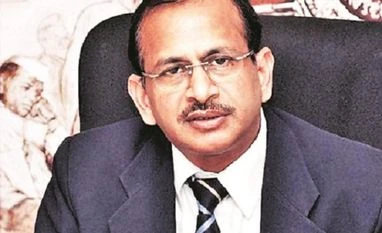
Department of Industrial Policy and Promotion Secretary, Ramesh Abhishek, tells Subhayan Chakraborty that lower rank in the two crucial categories of paying taxes and resolving insolvency will only improve in the following years when the trickle-down benefits will be realised. Edited excerpts:
In two crucial categories, paying taxes and reducing insolvency, the government was confident of securing a better ranking. But the opposite happened.
On these two categories, we were confident of securing a good rank last year and the year before as well. But the World Bank did not receive a good feedback. The GST was introduced in July but the World Bank only looks at tax returns in the January-December period. They have taken into account all reforms till May 1, 2019, but this doesn’t cover the tax returns. The tax rate has come down significantly due to the merger of so many taxes. But in the beginning there were teething troubles with filing of returns among other things. These problems continued till October, and responses to the World Bank were mixed. So, all these dramatic changes will get factored in better next year because data for the entire year will be available to them.
Can we expect any further change in the insolvency resolution norms to better our score?
Now, the recovery rate has to improve in insolvency procedures. As more companies go towards resolution, the recovery rate will improve and our rank will progress. The Insolvency and Bankruptcy Code is a good law and the World Bank praised us for it last year. No changes are needed.
India’s rank takes into account the ease of doing business in just two cities — Delhi and Mumbai. Is the situation across the country better?
Improvement in the business environment in states is even more dramatic. At least 15 states have had more than 90 per cent score in the government’s own ranking of states’ ease of doing business. Also, Delhi and Mumbai are large cities with very complicated procedures and challenges. If you've made progress there, other regions should be easy.
Why does India continue to fare badly when it comes to the ease of starting a business?
This has got to do with the distance-to-frontier ratio, which measures how close an economy is to best global practices. Our DTF is 73.84 in securing construction permits, a category in which we are ranked 52nd. On the other hand, in the ‘starting a business’ category, we have a DTF of 80.96 but our rank is 137. So, that shows there are too many countries at the top. You have to improve dramatically to crack into the top 50 with regards to starting a business.

 "GST, IBC benefits to be felt next year: DIPP secretary Ramesh Abhishek")











