Says Avinash Pratap Singh, CEO of NGO Waste Warriors :”This defeats the very purpose”. He says that segregation is at the heart of the matter. Once segregated, wet waste can be composted, dry waste can be recycled and the remainder – which automatically becomes more manageable – can be dealt with as best possible.
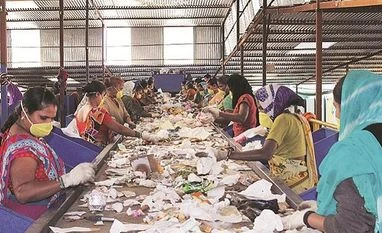
How NEPRA’s model works is dry segregated waste is collected from homes, schools, malls, hospitals, hotels, restaurants everyday by collection vans run by registered drivers who are linked to their ERP app. They collect waste from registered rag pickers, input their items in the app and pay them a fair price. The entire process is monitored, live tracked and controlled from the company’s support office. The bags with waste are taken to the NEPRA facility and it is processed by its automated facility, using optical sorting and is prepared as a commodity as per the requirements of a recycler and sold. Institutions who work with them know their garbage will be collected daily, ragpickers earn at least 25-30 per cent more than they would in the unorganized market otherwise, drivers know they have a daily run to do and recyclers are assured of quality raw material on a regular basis. Almost 90 per cent of what reaches the material recovery facility can be recycled and the remaining 10 per cent is sent to cement kilns for burning. “Not even a single kilo we collect goes to a landfill”, claims Sandeep. None of the larger players in this space have attempted this so far.

 "How 3 Gujaratis have come together to attempt to spin gold out of garbage")











