As global political leaders, business barons and the think tank huddled together at the World Economic Forum (WEF) annual meeting in Davos this year, the sub-zero temperature at this picturesque Swiss chalet felt chillier after the International Monetary Fund announced its growth outlook on Monday.
India, the IMF said, might lose its leadership position in terms of economic growth to China. The rate of growth for the world’s largest democracy in 2016 was expected to dip to 6.6 per cent against 7.6 per cent in 2015, lower than China’s projected growth of 6.7 per cent. Though I believe we will tackle this within the short term, it is truly a time to introspect and do a root-cause analysis on the impediments to growth and regardless of how the IMF attributes this to the effect of demonetisation and cautious consumerism, we should have growth strategies in place.
The whole world is on the cusp of another revolution, what people term as the Fourth Industrial Revolution that is expected to become more prominent, as the boundary lines between the physical and the digital get blurred. I am curiously awaiting to see the course of the discussions on how the world has to become much more responsive than before - towards citizens, towards the environment and towards the millennials. I overheard the word “protectionism” several times on Tuesday.
The biggest disruption today is being unleashed by technology, with destabilisation of the workforce with increasing automation. The kind of skills that are required today is significantly different from what it used to be. This has put a lot of focus on us as business leaders on how to continue to grow, while at the same time ensure creation of ample job opportunities, by reskilling, retraining and revitalising the workforce. A good amount of focus in Davos this year is about the skill gap and unemployment issues and how to create the workforce of tomorrow. All this is driving the agenda towards inclusive growth of connected economies. As an industry, the information technology services industry is keeping a close watch and learning this continuously; the time has come for everyone to be prepared for a digital future.

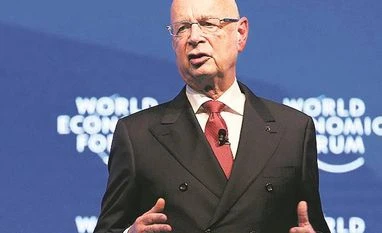 "IMF numbers add to Davos chill")












 Connect with us on WhatsApp