India's 10-year yield spikes as RBI bond-purchase results disappoint
RBI purchased Rs 25,000 cr worth of bonds under G-SAP or government securities acquisition programme, under which it has committed to buying Rs 1 trn worth govt paper between April and June
Reuters Mumbai The benchmark 10-year bond yield elevated on Thursday to its highest level in a week as the outcome of the first tranche of the Reserve Bank of India's bond-purchase programme disappointed traders while inflation concerns also weighed.
RBI purchased Rs 25,000 crore ($3.33 billion) worth of bonds under G-SAP or government securities acquisition programme, under which it has committed to buying Rs 1 trillion worth government paper between April and June to aid the absorption of the centre's massive Rs 12.06 trillion borrowing in 2021/22.
"Traders were hoping the RBI would buy more of the 10-year paper. It bought only Rs 7,500 crore of that bond versus expectations of nearly double that amount," a senior trader at a private bank said.
The RBI has repeatedly assured investors of maintaining ample liquidity in the banking system and doing whatever is required to ensure that the government's borrowing programme sails through smoothly, though the measures have always fallen short.
"I think one way may be to keep a surprise element and do creeping secondary market purchases rather than open announced OMOs (open market operations) that too after a week," Bekxy Kuriakose, head of fixed income trading at Principal Asset Management said.
"It will also help in improving secondary market liquidity," she added.
The benchmark 10-year bond yield ended at 6.13%, its highest since April 7, and up 12 basis points from its previous close. An acceleration in inflation also weighed on bond prices.
India's retail inflation accelerated to a four-month high of 5.52% in March on higher food and transport costs amid rising coronavirus infection numbers and fears of a surge in some commodity prices due to lockdowns in some states.
RUPEE RECOVERS FROM NINE-MONTH LOWS
The rupee, which has been on a downward trend since the announcement of the RBI's G-SAP programme earlier in the month, recovered from a nine-month low hit in early trade on suspected central bank intervention and a recovery in shares.
But concerns over a resurgence in COVID-19 cases and its impact on the economic growth is expected to keep the pressure on the rupee.
"We expect a loss of sequential momentum in Q2 2021, even though we expect the medium-term growth upcycle to remain intact due to ongoing vaccinations, the lagged impact of easy financial conditions, frontloaded fiscal activism and strong global growth," Nomura economists wrote in a note.
India reported a record 200,000 new COVID-19 cases on Thursday and the financial hub of Mumbai entered a lockdown, as many hospitals treating coronavirus patients reported severe shortages of beds and oxygen supplies.
The partially convertible rupee ended at 74.92 per dollar after touching 75.32 in early trade, its lowest since July 15 and stronger than its 75.06 close on Monday.
Forex and debt markets in India were closed on Tuesday and Wednesday for local festivals.
($1 = 75.0540 Indian rupees)
(Reporting by Swati Bhat; Editing by Subhranshu Sahu and Sherry Jacob-Phillips)
(Only the headline and picture of this report may have been reworked by the Business Standard staff; the rest of the content is auto-generated from a syndicated feed.)

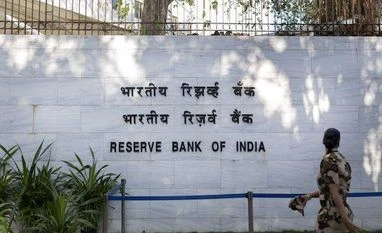 "India's 10-year yield spikes as RBI bond-purchase results disappoint")

