India's gig workers hit hardest by coronavirus pandemic, finds survey

This survey of 770 ride-sharing drivers, delivery workers, and housecleaners using digital platforms was conducted in August 2020, as Covid-19 cases were surging across in India

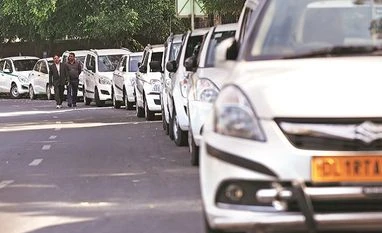
Drivers of Uber and Ola walk next to their parked vehicles during a protest in New Delhi in February 2017. Photo: Reuters
Flourish found that 47 per cent of gig workers could not cover their expenses for a month without borrowing money.
Peerzada Abrar Bengaluru
4 min read Last Updated : Sep 30 2020 | 6:58 PM IST
Nearly 90 per cent of Indian gig workers have lost income during the Covid-19 pandemic, according to a survey by Flourish Ventures, a global fintech venture capital fund with investments across South Asia.

These workers enjoyed above-average earnings before the pandemic, but more than a third surveyed were making less than Rs 5,000 (approximately $68) per month by August. The research also highlighted the potential of fintech to serve their unmet financial needs and improve their financial security.

“Gig workers have been hurting as the Covid-19 crisis has persisted in India, even when they had a financial cushion in the form of government aid or personal savings,” said Tilman Ehrbeck, managing partner at Flourish. “This research reveals most are concerned for their financial future. At Flourish, our hope is that the same digital platforms which enabled the gig economy can connect workers to new sources of income and better financial tools for security in this crisis and beyond,” he said. 

This survey of 770 ride-sharing drivers, delivery workers, and housecleaners using digital platforms was conducted in August 2020, as Covid-19 cases were surging across in India.
The survey says incomes have collapsed since the lockdowns. While most Indian gig workers earned over Rs 25,000 per month (approximately $340) before the pandemic, by August nearly nine in 10 were making less than Rs 15,000 per month ($200). More than a third of gig workers were making about $ 2.3 per day or less.

Flourish found that 47 per cent of gig workers could not cover their expenses for a month without borrowing money. The fact that 52 per cent could manage for more than a month indicates greater financial resilience than found in other markets.

Flourish found that ride-sharing drivers in India were hit hardest by the Covid-19 pandemic. Nearly 90 per cent reported a loss of income, compared to 72 per cent of house cleaners. Because India’s digital gig economy is dominated by men, fewer women were surveyed. In Indonesia, female gig workers fared the same as men since the pandemic. But in India, women were more likely to lose income. 

As in most countries, the pandemic has affected urban centres more severely than rural areas – and this may be even more pronounced in India. One house cleaner surveyed said, “I returned to my village. I am concerned about going back to Mumbai because everyone seems to have the disease there, but I don’t have an option because there’s no work here. We have to find a way to make money.”

Compared with other countries surveyed in Flourish’s The Digital Hustle series, India provided more generous government aid. In addition to that, 57 per cent of workers surveyed temporarily halted payments on existing loans as part of the federal loan moratorium.

Indian gig workers also seemed to have a larger personal savings cushion than those in other countries. At least 83 per cent used savings to get through the crisis. In India, 52 per cent of respondents said, if they lost their primary income, they could last at least a month without borrowing. In Brazil, Indonesia, and South Africa, less than 27 per cent of respondents could say the same. 
While 45 per cent of Indian gig workers have cut spending, about the same proportion (44 per cent) have borrowed money in the pandemic. Most are concerned with their ability to pay down debt and plan for the future. 

Despite real fears about health risk, 61 per cent of respondents were more concerned about their ability to work.

The need to manage strained day-to-day cash flows, and better prepare for the future, could be served by fintech solutions, as gig workers are already digitally connected. 

Flourish said a mobile app could aggregate all of a gig worker’s earnings derived from different sources. It could nudge workers to regularly put aside small amounts of money into a digital account for future use – such as for debt instalments. Digital platforms could also provide them with small ticket credit to purchase supplies, fill up fuel tanks or learn new skills when needed.

One subscription. Two world-class reads.

Already subscribed? Log in

Subscribe to read the full story →
*Subscribe to Business Standard digital and get complimentary access to The New York Times

Smart Quarterly

₹900

3 Months

₹300/Month

SAVE 25%

Smart Essential

₹2,700

1 Year

₹225/Month

SAVE 46%
*Complimentary New York Times access for the 2nd year will be given after 12 months

Super Saver

₹3,900

2 Years

₹162/Month

Subscribe

Renews automatically, cancel anytime

Here’s what’s included in our digital subscription plans

Exclusive premium stories online

  • Over 30 premium stories daily, handpicked by our editors

Complimentary Access to The New York Times

  • News, Games, Cooking, Audio, Wirecutter & The Athletic

Business Standard Epaper

  • Digital replica of our daily newspaper — with options to read, save, and share

Curated Newsletters

  • Insights on markets, finance, politics, tech, and more delivered to your inbox

Market Analysis & Investment Insights

  • In-depth market analysis & insights with access to The Smart Investor

Archives

  • Repository of articles and publications dating back to 1997

Ad-free Reading

  • Uninterrupted reading experience with no advertisements

Seamless Access Across All Devices

  • Access Business Standard across devices — mobile, tablet, or PC, via web or app

Topics :CoronavirusLockdowngig economyworkersCab driver

Next Story