Liquidity squeeze may help reshape India's real estate, says Vikas Oberoi

Defaults last year by IL&FS group triggered a crisis among shadow lenders, putting the squeeze on borrowers including home builders
house, building, real estate
Pooja Thakur and Dhwani Pandya | Bloomberg
2 min read Last Updated : Mar 26 2019 | 10:27 AM IST
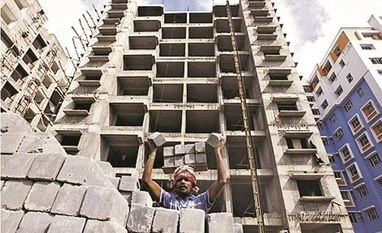
Tycoon Vikas Oberoi says a liquidity squeeze may help to reshape India’s property industry. Scarcer financing, combined with tighter government oversight of the sector in recent years, may help to clear away some “fly-by-night” firms and foster consolidation, according to the chairman of Oberoi Realty Ltd.

Defaults last year by IL&FS group triggered a crisis among shadow lenders, putting the squeeze on borrowers including home builders. The fallout from the saga may help firms such as Oberoi, the nation’s third-biggest listed developer, to expand shares of a fragmented market.

“The money will now be available to only credible developers,” Oberoi, 49, said in an interview in Mumbai. “It’s a huge positive.”

Debt concerns have pushed funding costs for non-bank lenders to multi-year highs in recent weeks, casting a shadow over the Indian economy ahead of the nation’s election.

India’s property industry has been reeling for years from the economic shock of the government withdrawing high-value rupee notes from circulation in 2016 and imposing a sales tax the following year. The sector has seen sluggish sales, mounting inventories and falling prices. Tighter regulation took effect in 2016 and 2017.

Other highlights from the interview:

Oberoi, which builds luxury homes and is constructing Mumbai’s first Ritz Carlton, plans so-called affordable homes selling for about $150,000 each. In the Mumbai suburb of Thane, such dwellings may be about 600 square feet (56 square meters) in size, while in another suburb, Borivali, micro apartments as small as 300 square feet are a possibility.

Company may sell a REIT in 2020 or 2021 once its commercial property assets reach about $300 million.

Oberoi plans to secure more land through auctions and bankruptcy proceedings.

Company won’t take over unfinished projects from other developers because it prefers to stick to its own designs and processes.

One subscription. Two world-class reads.

Already subscribed? Log in

Subscribe to read the full story →
*Subscribe to Business Standard digital and get complimentary access to The New York Times

Smart Quarterly

₹900

3 Months

₹300/Month

SAVE 25%

Smart Essential

₹2,700

1 Year

₹225/Month

SAVE 46%
*Complimentary New York Times access for the 2nd year will be given after 12 months

Super Saver

₹3,900

2 Years

₹162/Month

Subscribe

Renews automatically, cancel anytime

Here’s what’s included in our digital subscription plans

Exclusive premium stories online

  • Over 30 premium stories daily, handpicked by our editors

Complimentary Access to The New York Times

  • News, Games, Cooking, Audio, Wirecutter & The Athletic

Business Standard Epaper

  • Digital replica of our daily newspaper — with options to read, save, and share

Curated Newsletters

  • Insights on markets, finance, politics, tech, and more delivered to your inbox

Market Analysis & Investment Insights

  • In-depth market analysis & insights with access to The Smart Investor

Archives

  • Repository of articles and publications dating back to 1997

Ad-free Reading

  • Uninterrupted reading experience with no advertisements

Seamless Access Across All Devices

  • Access Business Standard across devices — mobile, tablet, or PC, via web or app

Next Story



