The Ordinance on demonetisation, cleared by the Cabinet earlier this week and signed by President Pranab Mukherjee on Friday, lays down penalties of Rs 50,000 or more for false declarations on the withdrawn Rs 500 and Rs 1,000 currency notes. And, at least Rs 10,000 or more for holding on to such notes after Friday, with some exceptions.
These exceptions apply for all Indians who were outside the country from November 9 to December 30. They will be able to deposit old notes in specified branches of the Reserve Bank of India till March 31. For non-resident Indians (NRIs), such a facility will be available till June 30. Both subject to the Foreign Exchange Management Regulation-mandated restriction of Rs 25,000 per person.
The objectives of the Ordinance, stated the finance ministry, are “to provide clarity and finality to the liability of RBI and government for the specified bank notes (SBNs), to provide an opportunity to those persons who were unable to deposit the notes within the time provided, and to declare holding, transferring or receiving the specified notes as illegal...”
NRIs and other Indians will, at the time of returning to India, need to declare the amount they might be having in the banned notes to Customs officials. “Any false declaration will invite a fine of Rs 50,000 or five times the amount of the face value of the SBN tendered, whichever is higher...”
“After the period of exchange is over, the liabilities of the Reserve Bank and the guarantee of the central government towards the specified bank notes will stand extinguished. “After the specified period, holding the banned notes will attract a fine of Rs 10,000 or five times the amount of money held, whichever is higher.” While the high-denomination currency ceased to be legal tender from midnight of November 8, a notification was thought to be not enough to end the central bank’s liability and for avoiding future litigation. Currency notes carry the RBI’s promise to pay the bearer the amount of the value of the note, a pledge that can be nullified only by legislation, after giving due opportunity to everyone to return the old notes.

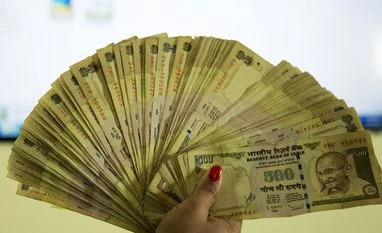 "Note ban Ordinance comes into effect")


 Connect with us on WhatsApp