Power ministry proposes pushing back new emission norms deadline

Power ministry says 'an unworkable time schedule' will increase tariffs
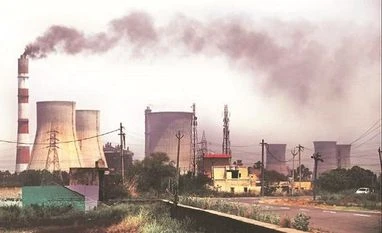
Pollution, power, electricity, climate change, emission, greenhouse gas, environment
India initially had set a 2017 deadline for thermal power plants to comply with emissions standards for installing Flue Gas Desulphurization (FGD) units that cut emissions of toxic sulphur dioxide
Sudarshan Varadhan | Reuters Chennai
2 min read Last Updated : Jan 05 2021 | 12:49 AM IST
The power ministry has proposed pushing back the deadlines for adoption of new emission norms by coal-fired power plants, saying “an unworkable time schedule” would burden utilities and lead to an increase in power tariffs.

India initially had set a 2017 deadline for thermal power plants to comply with emissions standards for installing Flue Gas Desulphurization (FGD) units that cut emissions of toxic sulphur dioxide. That was later changed to varying deadlines for different regions, ending in 2022.

Under the latest proposal, no new dates have been set.

However, a final decision will have to be approved by the Supreme Court, which is hearing the issue.

“The target should be to maintain uniform ambient air quality across the country and not uniform emission norms for thermal power plants,” Nishat Kumar, an official at the Ministry of Power said in a January 2 note to the environment ministry, seen by Reuters.

“This could avoid immediate increase in power price in various relatively clean areas of the country (and) avoid unnecessary burden on power utilities/consumers,” Kumar said.

The ministry proposed a “graded action plan”, whereby areas where plants are located would be graded according to the severity of pollution, with Region 1 referring to critically polluted areas, and Region 5 being the least polluted.

“Strict control of emissions shall be required in such key areas for thermal power stations categorised under Region 1,” Kumar said in the memo.

Plants in Region 2 could begin to take action one year after those in Region 1, he said. “Presently no action is required for power plant that are situated under Region 3, 4 & 5,” he said.

Indian cities have some of the world's most polluted air, much of which is blamed on coal-fired plants in close proximity to urban centres. 

Vehicular pollution, dust, industries and crop burning add to the bad air quality. Sunil Dahiya, an analyst at the Centre for Research on Energy and Clean Air, said of the power ministry directive: “Such claims after 5 years of emission standards being in existence create a severe dent on the government's image.”

One subscription. Two world-class reads.

Already subscribed? Log in

Subscribe to read the full story →
*Subscribe to Business Standard digital and get complimentary access to The New York Times

Smart Quarterly

₹900

3 Months

₹300/Month

SAVE 25%

Smart Essential

₹2,700

1 Year

₹225/Month

SAVE 46%
*Complimentary New York Times access for the 2nd year will be given after 12 months

Super Saver

₹3,900

2 Years

₹162/Month

Subscribe

Renews automatically, cancel anytime

Here’s what’s included in our digital subscription plans

Exclusive premium stories online

  • Over 30 premium stories daily, handpicked by our editors

Complimentary Access to The New York Times

  • News, Games, Cooking, Audio, Wirecutter & The Athletic

Business Standard Epaper

  • Digital replica of our daily newspaper — with options to read, save, and share

Curated Newsletters

  • Insights on markets, finance, politics, tech, and more delivered to your inbox

Market Analysis & Investment Insights

  • In-depth market analysis & insights with access to The Smart Investor

Archives

  • Repository of articles and publications dating back to 1997

Ad-free Reading

  • Uninterrupted reading experience with no advertisements

Seamless Access Across All Devices

  • Access Business Standard across devices — mobile, tablet, or PC, via web or app

Topics :Power ministryPower tariffsEmission norms

Next Story



