Punjab likely to allow open access of power for railways

National transporter is targeting savings of Rs 3,000 cr a year via open access of electricity
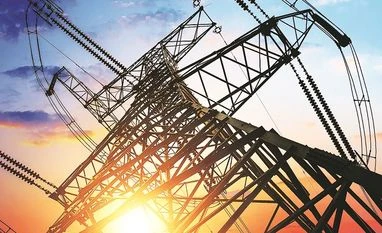
tower, power, electricity
Shine Jacob New Delhi
Last Updated : Aug 02 2017 | 2:56 AM IST
The Indian Railways’ plan to buy power directly from a generator of its choice had got clearance from only seven Bharatiya Janata Party (BJP)-ruled states. Congress-led Punjab, however, might soon become the first non-BJP state to join the bandwagon.

The national transporter is targeting savings of Rs 3,000 crore a year through open access of electricity.

“About 40 per cent of our power requirement is currently met through open access,” said an official close to the development.
“We are currently procuring 750 Mw and this is expected to cross 1,000 Mw by the end of this financial year. Punjab and Odisha, too, are ready to give no-objection certificates.” 

The states that have given clearances so far include Maharashtra, Gujarat, Madhya Pradesh, Jharkhand, Rajasthan, Haryana and Bihar (which was a non-BJP state when the no-objection certificate was given). Interestingly, Chhattisgarh and Andhra Pradesh have reduced tariffs to the tune of Rs 4.32 a unit and Rs 4.74 a unit, respectively, though they have not yet joined open access.

In 2016-17, the railways was able to save at least Rs 2,000 crore through open access. While in 2015-16, its electricity bill stood at Rs 11,000 crore, it dropped to Rs 9,000 crore in 2016-17. Even the average per-unit cost dropped from Rs 6.75 a unit in 2015-16 to nearly Rs 6 a unit in 2016-17. “We are in talks with other states as well and we expect savings of at least Rs 3,000 crore in 2017-18,” the official added.

The Central Electricity Regulatory Commission had allowed the railways to undertake transmission and distribution of electricity as a deemed licensee under the Electricity Act in November 2015. Through open access of electricity and crude oil imports, it plans to save Rs 35,000 crore on fuel bills over the next 10 years.

Through tie-ups with Ratnagiri Gas and Power, Tata Power and Adani Power, the railways gets power at an average rate of Rs 4.61 a unit (kilowatt per hour) against the previous average of Rs 7.07 a unit. In order to cut its fuel bill, the railways is also planning to import crude oil directly and refine it at Indian Oil Corporation’s Vadodara unit. 

The railways consume around 2.8 billion litres of diesel a year, costing Rs 18,000 crore, and 17.5 billion units of electricity. Currently, nearly 30 per cent of the fuel bill goes into paying state taxes.

One subscription. Two world-class reads.

Already subscribed? Log in

Subscribe to read the full story →
*Subscribe to Business Standard digital and get complimentary access to The New York Times

Smart Quarterly

₹900

3 Months

₹300/Month

SAVE 25%

Smart Essential

₹2,700

1 Year

₹225/Month

SAVE 46%
*Complimentary New York Times access for the 2nd year will be given after 12 months

Super Saver

₹3,900

2 Years

₹162/Month

Subscribe

Renews automatically, cancel anytime

Here’s what’s included in our digital subscription plans

Exclusive premium stories online

  • Over 30 premium stories daily, handpicked by our editors

Complimentary Access to The New York Times

  • News, Games, Cooking, Audio, Wirecutter & The Athletic

Business Standard Epaper

  • Digital replica of our daily newspaper — with options to read, save, and share

Curated Newsletters

  • Insights on markets, finance, politics, tech, and more delivered to your inbox

Market Analysis & Investment Insights

  • In-depth market analysis & insights with access to The Smart Investor

Archives

  • Repository of articles and publications dating back to 1997

Ad-free Reading

  • Uninterrupted reading experience with no advertisements

Seamless Access Across All Devices

  • Access Business Standard across devices — mobile, tablet, or PC, via web or app

Next Story



