
Railways faces Rs 78.4-bn shortfall in earnings; operating ratio above 112%
The ordinary working expenditure of the national transporter was Rs 1.03 trillion as against the budget projection of Rs 984.41 billion by November-end this fiscal
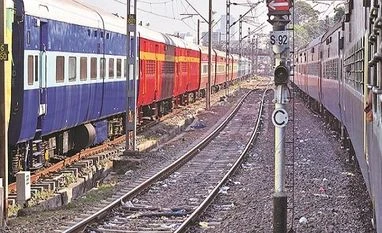 "Railways faces Rs 78.4-bn shortfall in earnings; operating ratio above 112%")
WebinarsNew
Deep DiveNew
Explore Business Standard
The ordinary working expenditure of the national transporter was Rs 1.03 trillion as against the budget projection of Rs 984.41 billion by November-end this fiscal
With expenditure continuing to far exceed earnings, Indian Railways is facing a dismal financial scenario with the operating ratio breaching the 112-per cent mark.
"The trend is unlikely to be reversed before March 2019 -- when the National Transporter expects heavy advance ticket bookings for the upcoming summer vacation, which could ease the pressure," Railway Ministry sources in the know told IANS.
Bookings for the summer vacation usually start in February-March as one can reserve tickets 120 days in advance.
A substantial amount is also expected to start coming from non-fare revenue such as the station redevelopment project and advertisements, the sources added.
The Railways' total earnings are way behind target -- it had earned Rs 1.15 trillion against the target of Rs 1.22 trillion at the end of November this year, a shortfall of Rs 78.4 billion, according to a financial review prepared by the Railways.
ALSO READ: 'Freight blocks' are the next growth engine for Indian Railways
The ordinary working expenditure of the national transporter was Rs 1.03 trillion as against the budget projection of Rs 984.41 billion by November-end this fiscal.
In the passenger segment, it earned Rs 339 billion against the target of Rs 345.83 billion, a deficit of Rs 6.83 billion. Currently, the loss in the passenger business is hovering around Rs 300 billion.
As a result, the operating ratio is under stress and has touched 112.91 per cent mark, the data prepared by the Railways' financial wing reveals.
This means that, in the April-November period, the national transporter spent Rs 112.91 to generate every Rs 100, which is reflective of a lower growth in traffic against the set target and heavy outgo on account of increased pension liability and working expenses.
The operating ratio is a gauge of operational efficiency that measures expenses as a proportion of revenue. Besides the working expenses, there are other expenditures -- including pension liability, expenditure of the Railway Board and railway institutions -- which has far exceeded the total incomes during April-November 2018, resulting in the higher operating ratio.
A higher ratio also indicates less ability to generate surplus funds that could be used for capital investments such as laying new lines and manufacturing more coaches.
The Railways has earmarked its highest ever capital expenditure of Rs 1.49 trillion for the current fiscal with the focus on capacity augmentation, electrification and overall infrastructure upgradation.
First Published: Dec 22 2018 | 2:14 PM IST


 Connect with us on WhatsApp