RBI decision to discontinue automatic caution-listing big relief: Exporters
RBI's decision to discontinue the system-based automatic caution-listing of exporters is a big relief to the industry at a time when the trading community is battling the hardships of the COVID-19
Press Trust of India New Delhi The Reserve Bank's decision to discontinue the system-based automatic caution-listing of exporters is a big relief to the industry at a time when the trading community is battling the hardships of the COVID-19 pandemic, say exporters.
Apparel Export Promotion Council (AEPC) Chairman A Sakthivel said the caution-listing of exporters had become a threat since the outbreak of coronavirus.
It will provide flexibility to exporters in realization of their export proceeds. Considering the pandemic-related payment difficulties, its continuation was a threat to many exporters, Sakthivel said.
RBI introduced Export Data Processing and Monitoring System (EDPMS) in 2014 for all banks to bring their transactions with the exporters online.
In 2016, it launched the system-based automatic caution-listing wherein exporters were put on RBI's caution list if any shipping bill against them remained open for more than two years in EDPMS and there was no extension granted by the bank or RBI.
Besides, the authorized dealer (AD) banks also recommended names of exporters to be put on caution list.
The automatic listing of exporters in RBI's caution list can further worsen the plight of exporters by denying them packing credit and the delay in bank documents can lead to high demurrage charges, he added.
Federation of Indian Export Organisation (FIEO) President S K Saraf said it was a long pending demand of the exporting community.
"It was a threat, more so, since the outbreak of coronavirus as exporters were not in a position to approach banks physically to get exports realisation entries updated in the EDPMS Module," Saraf said.
RBI's decision will provide a big relief to exporters particularly since in a large number of cases the entries remain non-updated at the end of AD banks due to numerous factors.
"The onus will be on AD banks to update exports remittance and if payment is not realised, to report the same to RBI for appropriate action. The new mechanism strikes a nice balance between the responsibilities of exporters and bankers while simultaneously ensuring that realisation of exports proceeds is constantly monitored," he said.
After contracting for six months in a row, India's exports grew by 5.27 per cent year-on-year to USD 27.4 billion in September while trade deficit narrowed to a three-month low of USD 2.91 billion.
(Only the headline and picture of this report may have been reworked by the Business Standard staff; the rest of the content is auto-generated from a syndicated feed.)

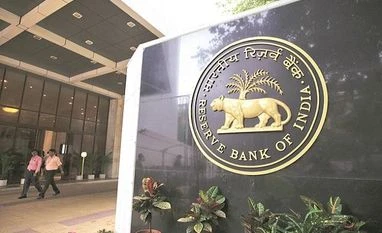 "RBI decision to discontinue automatic caution-listing big relief: Exporters")


 Connect with us on WhatsApp