RBI lowers inflation projection to 2-3.5% in first half FY18
Earlier, the projection for the inflation in 1st half of the FY18 was 4.5%
Press Trust of India Mumbai Reserve Bank of India (RBI) expects retail inflation to fall to 2-3.5% in the first half of current financial year and move up to 4.5% in the second half saying that rush for farm loan waivers may have inflationary spillovers.
The abrupt and significant retreat of inflation in April from the firming trajectory that was developing in February and March has raised several issues that have to be factored into the inflation projections, it said.
In its second Bi-monthly Monetary Policy Statement (MPC) of 2017-18, the RBI said the prices of pulses are clearly reeling under the impact of a supply glut caused by record output and imports.
"Policy interventions, including access to open trade, may be envisaged to arrest the slump in prices," it said.
The easing of inflation excluding food and fuel may be transient in view of its underlying stickiness in a situation of rising rural wage growth and strong consumption demand, it said.
"If the configurations evident in April are sustained, then absent policy interventions, headline inflation is projected in the range of 2-3.5% in the first half of the year and 3.5-4.5% in the second half," it said.
The earlier projection for the retail inflation in first half of the financial year was 4.5% and 5% in second half.
It further said risks are evenly balanced, although the spatial and temporal distribution of the monsoon and the government staying the course in effective food management will play a critical role in the evolution of risks.
"The risk of fiscal slippages, which, by and large, can entail inflationary spillovers, has risen with the announcements of large farm loan waivers," said the RBI's resolution released after the fifth meeting of MPC headed by RBI Governor Urjit Patel.
RBI said global political and financial risks materialising into imported inflation and the disbursement of allowances under the 7th central pay commission's award are upside risks.
However, the central bank said the implementation of the Goods and Services Tax (GST) is not expected to have a material impact on overall.

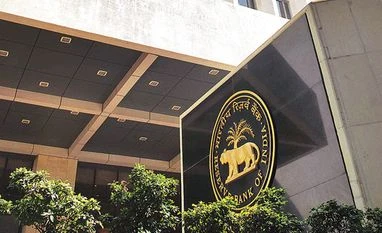 "RBI lowers inflation projection to 2-3.5% in first half FY18")

