Realty, construction, power may spell more trouble to banks: India Ratings

However, lenders will be better equipped to provide for these loans as they are mainly medium-sized, up to Rs 2,000 crore per account
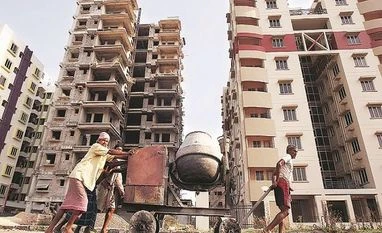
real estate, housing, buildings
any reduction on this basic input cost could help boost prospects for under-construction properties
Subrata Panda Mumbai
Last Updated : Feb 05 2019 | 6:55 PM IST
Real estate, construction and power are likely to be a major headache for banks, as a staggering Rs 1.5 trillion of stressed assets may turn sour in the next 18 months. They form part of the total Rs 3.5 trillion stressed but not recognised assets, according to India Ratings & Research.

However, the banks will be in better position to make provision for these loans as they are mainly medium sized, up to Rs 2,000 crore per account. The requirement of the accelerated provisioning norms wouldn’t apply to these assets.

The rating agency said it expects a 20 per cent provision (about Rs 40,000 crore) to be made by the banks against stressed assets which may non-performing assets, or bad loans, by September 2020.

Analysts said lenders may see reversal of provision already made for many big-ticket bankruptcy cases that are likely to be resolved the next few quarters. The released amounts could come in handy for making provision for fresh slippages. 


India Ratings said from the banks perspective, headline gross NPAs will not see any material increment in FY 20 and the total stressed corporate exposure of banks have also declined to 19.3 per cent from about 20-21 per cent over FY 16-18. 

In the absence of Ind-AS some of the public sector lenders, whose profitability has gone for a toss as they are reeling under the pressure of bad assets, may report profits in FY 20 as the credit cost of these public sector lenders could be lower than their pre-provisioning profits, rating agency said.

The rating agency in its outlook for FY20 on the Indian banking sector has maintained a stable outlook on the large private sector lenders. However, only two public sector lenders -– State Bank of India and Bank of Baroda -– have got a stable outlook, while others have got a negative outlook for the fourth quarter of FY19 and FY20.

One subscription. Two world-class reads.

Already subscribed? Log in

Subscribe to read the full story →
*Subscribe to Business Standard digital and get complimentary access to The New York Times

Smart Quarterly

₹900

3 Months

₹300/Month

SAVE 25%

Smart Essential

₹2,700

1 Year

₹225/Month

SAVE 46%
*Complimentary New York Times access for the 2nd year will be given after 12 months

Super Saver

₹3,900

2 Years

₹162/Month

Subscribe

Renews automatically, cancel anytime

Here’s what’s included in our digital subscription plans

Exclusive premium stories online

  • Over 30 premium stories daily, handpicked by our editors

Complimentary Access to The New York Times

  • News, Games, Cooking, Audio, Wirecutter & The Athletic

Business Standard Epaper

  • Digital replica of our daily newspaper — with options to read, save, and share

Curated Newsletters

  • Insights on markets, finance, politics, tech, and more delivered to your inbox

Market Analysis & Investment Insights

  • In-depth market analysis & insights with access to The Smart Investor

Archives

  • Repository of articles and publications dating back to 1997

Ad-free Reading

  • Uninterrupted reading experience with no advertisements

Seamless Access Across All Devices

  • Access Business Standard across devices — mobile, tablet, or PC, via web or app

Next Story



