Notwithstanding the high crude prices, the long term bias of the rupee is to appreciate, say experts, as the local currency becomes one of the favourites for long carry trades, and inflows pour into high yield Indian assets.
The pressure on the rupee eased a bit on Wednesday as crude prices softened, but experts said this friction would continue for some more time. Two-way price movement can be expected in the rupee as international crude prices rise and fall.
However, going by the real effective exchange rate basis, the rupee is still overvalued and experts say it can technically depreciate to 77 or 78 a dollar if it has to find its right level. However, the central bank may not want to see such sharp depreciation in the rupee as the oil bill would rise, stoking inflation.
The rupee closed at 75.38 a dollar on Wednesday, up from its previous close of 75.52. Other currencies in Asia also recovered from their fall on Tuesday.
It has been following the Chinese Renminbi for the past two years, while the recent upswing in the dollar index has added some complication in the equation.
The dollar index, which measures the greenback’s strength against global major currencies, eased 0.06 per cent to 94.46. The US treasury yields also fell a few basis points overnight, even as India’s retail inflation positively surprised, coming in at a five-month low of 4.35 per cent in September.
The rupee’s movement has been particularly strong in the past few sessions. At the start of the month, the local currency was at 74.13 a dollar, but quickly fell to 75.52 on Tuesday as crude prices hardened.
The rising carry trade on the rupee in the offshore market is also putting some pressure on the volatile price movement, but the central bank can now intervene in the onshore forwards and over the counter market, as well as in the non-deliverable forwards market, and can curb any volatility if there is a need, say experts.
“The pressure on the rupee can be attributed to offshore USD/INR carry unwinding,” wrote IFA Global in a note.

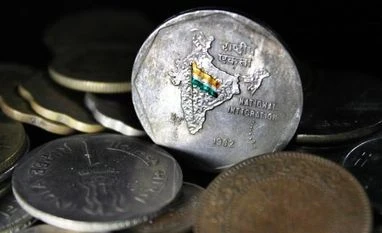 "Rupee's long-term trend is to appreciate, say experts")












 Connect with us on WhatsApp