Saudi, UAE may cut Indian agri imports on quality issues, $2.6 bn at stake

Higher than permissible pesticide residues land Indian agriculture exports in trouble
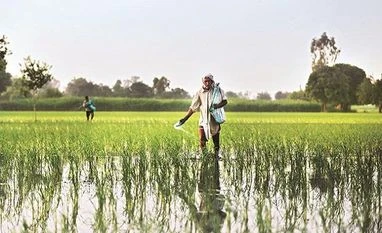
Farmers, Agriculture
Dilip Kumar Jha Mumbai
Last Updated : Jan 26 2019 | 3:52 PM IST
At a time when the government is emphasising on the need for increasing agriculture exports, there is a threat of the $2.6-billion Saudi Arabia and United Arab Emirates (UAE) markets lowering imports from India due to the contravention of quality standards. 

Both countries contribute $1.3 billion each to India's $40-billion annual agri exports; out of which, products registered with the Agricultural and Produce Exports Development Authority (Apeda) account for a 50 per cent share. 

Apart from that, India exports a huge quantity of agri produce to other countries in the region, making the entire Middle East the largest destination for India's agricultural exports.

The governments of Saudi Arabia and UAE have informed the Indian government about the interception of higher than permissible levels of pesticide residues in agri commodities, particularly in vegetables such as okra and green chillies, among others. Cancellation of imports by these Middle East countries, as threatened, would result in a cascading effect in other countries, including the quality conscious European Union. This might dent the government's aim to boost exports. 

"Lots of products imported from India contravened the provisions of the food standards and safety of the Dubai Municipality. Indian exporters exporting food items to UAE are requested to apply for the regulations and provision of the food safety and standard prescribed by UAE and take constructive steps to comply with them and minimise the percentage of rejection, resulting in minimum losses and retaining India's position as the leading food exporter to the UAE," said U K Vats, general manager, Apeda.

The government has been encouraging exports of agricultural produce by incentivising a part of the value of exportable goods. In fact, it aims to double India's farm exports by 2022.

India is the top food items exporting country to the UAE, followed by the United Kingdom, the Netherlands, Oman, the United States, Thailand and Italy. India contributes nearly 20 per cent of the UAE's food requirement. 

The UAE government has indicated the requirement of labels on food items carrying the brand name, product name and ingredients, etc. The UAE has also asked for health and organic certificates, in case the Indian exporters claim that the products are organic.

Similarly, Saudi Arabia's quality standard authority has warned Indian exporters to carry test reports and compliant material from Apeda-recognised laboratories for each consignment.  

"The Kingdom of Saudi Arabia has reported instances of interception of higher than permissible levels of pesticides residues in vegetables. Apeda has issued several advisories to exporters seeking compliance of the quality norms as prescribed by Saudi Arabia. Indian exporters, however, have not taken serious cognisance of these advisories. Saudi Arabia has intimated that if this situation continues, they are going to take strong action in the near future," said Vats.

Considering the sensitivity of the matter, Apeda has requested the National Plant Protection Organisation (NPPO) to grant phytosanitary certificates -- plant passports -- for okra, green chillies and other vegetables exported to Saudi Arabia only on the production of test reports from a laboratory recognised by it. This will ensure compliance to Saudi Arabia's import requirements, Apeda said in an advisory.

Meanwhile, interception of pesticide residues in vegetables above the permissible limit has been reported on several occasions in the past. A number of export consignments of Indian origin have also been rejected. 

Apeda has warned that violation of the advisory of importing countries' requirements would be viewed seriously and the onus of financial losses would solely be on the defaulting exporters.  

One subscription. Two world-class reads.

Already subscribed? Log in

Subscribe to read the full story →
*Subscribe to Business Standard digital and get complimentary access to The New York Times

Smart Quarterly

₹900

3 Months

₹300/Month

SAVE 25%

Smart Essential

₹2,700

1 Year

₹225/Month

SAVE 46%
*Complimentary New York Times access for the 2nd year will be given after 12 months

Super Saver

₹3,900

2 Years

₹162/Month

Subscribe

Renews automatically, cancel anytime

Here’s what’s included in our digital subscription plans

Exclusive premium stories online

  • Over 30 premium stories daily, handpicked by our editors

Complimentary Access to The New York Times

  • News, Games, Cooking, Audio, Wirecutter & The Athletic

Business Standard Epaper

  • Digital replica of our daily newspaper — with options to read, save, and share

Curated Newsletters

  • Insights on markets, finance, politics, tech, and more delivered to your inbox

Market Analysis & Investment Insights

  • In-depth market analysis & insights with access to The Smart Investor

Archives

  • Repository of articles and publications dating back to 1997

Ad-free Reading

  • Uninterrupted reading experience with no advertisements

Seamless Access Across All Devices

  • Access Business Standard across devices — mobile, tablet, or PC, via web or app

Next Story



