Home / Economy / News / Scotland seeks to ramp up trade and investment ties with India
Scotland seeks to ramp up trade and investment ties with India
Scottish exports to India today are modest. In 2018, goods and services accounted for £295 million or just 0.9 per cent of Scotland's international exports
premium
India is the eleventh largest inward investor in Scotland.
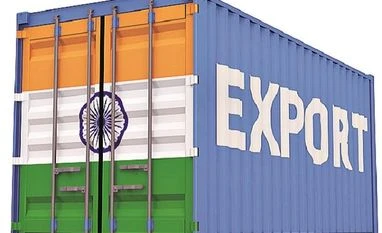
The Scottish National Party (SNP), which will continue in government after emerging as the single largest party in elections this month, aspires to ramp up trade and investment ties with India.
Robert Taylor, a senior spokesman for the Scottish government in Edinburgh, speaking exclusively to Business Standard, said: “India is an increasingly important market for Scotland and is identified as one of the top 20 countries for export growth.”
In general, the devolved government plans to increase the total value of exports from 20 per cent to 25 per cent of Scotland’s gross domestic product (GDP). Taylor added the “potential areas of export growth with India include engineering and advance manufacturing, food and drink, technology, energy, finance and business services, and chemical sciences.”
It also seeks inward investors from India. A notable investment in the past has been by Piramal Healthcare, which has a facility in Grangemouth, Stirlingshire. This unit manufactures bio-conjugates, including antibody drug conjugates. India has a consulate in the Scottish capital of Edinburgh.
Scottish exports to India today are modest. In 2018, goods and services (excluding oil and gas) accounted for £295 million or just 0.9 per cent of Scotland’s international exports. The biggest sale was food and drink, representing £140 million, or almost half of total Scottish exports to India. Scotch whisky is a significant attraction for Indian consumers, notwithstanding the 150 per cent duty being slapped on imports by India.
In fact, UK Prime Minister Boris Johnson has been at pains to plead with the Indian government that the tariff should be reduced. However, the Enhanced Trade Partnership agreement signed between the two countries a fortnight ago did not extend this concession.
India is the eleventh largest inward investor in Scotland. This could change if the incentives provided by the British government, combined with the gloomy climate in India in the foreseeable future leads to a spurt in outward activity on the part of Indian companies.
Front and centre in the SNP manifesto was an early independence referendum. While there is no definitive feedback to suggest there is majority support for Scotland’s separation from the United Kingdom, the sentiment for cessation has certainly risen since the plebiscite of 2014. This is because Scotland voted overwhelmingly against the UK exiting the European Union in 2016, but was forcibly dragged into leaving because of the overall British inclination being in its favour. The hardline Scottish view is, therefore, to quit the UK and rejoin the EU.
Johnson is firmly opposed to another referendum. He argues the 2014 test of opinion was a once in a generation opportunity, which the SNP lost. Nevertheless, a major confrontation looms next year between the central government at Westminster and the SNP.
Gordon Brown, former British prime minister and a Scot, weighed in on the debate in a recent column, affirming that Johnson’s “muscular unionism” was mistaken policy. He revealed that an opinion poll carried out on the same day as when 48 per cent of voters opted for the SNP, 73 per cent of Scots favoured “better cooperation between Scotland and the rest of the UK”.
An argument against an independent Scotland is that it is economically unviable. Scottish finances are kept afloat by significant grants from London. For instance, 100 per cent of outgoings on education, housing, health and justice are funded by the UK government. The difference between revenue and spending by the Holyrood government was estimated to be 8.6 per cent of GDP in 2019-20. Scotland’s GDP being £146 billion in Q2 of 2020. Besides, riches from North Sea oil and gas are now a dwindling matter.
It is, thus, all the more important that, if the SNP is to advance a credible case for freedom from the UK, it majorly shores up economic engagement with other countries to demonstrate it can stand on its own feet.

 "Scotland seeks to ramp up trade and investment ties with India")












