Securities and Exchange Board of India (Sebi) chairman Ajay Tyagi on Wednesday said the regulator was not against the merger of exchanges.
Speaking on the sidelines of an event organised by Associated Chambers of Commerce and Industry of India (Assocham), he said, “More players are required, but if the economics determine there should be a consolidation, then so be it.”
The comments come amid reports of merger talks between the country’s largest equity bourse, the National Stock Exchange (NSE) and the largest commodity bourse Multi Commodity Exchange.
Tyagi confirmed that Sebi had served the second show-cause notice to the NSE on the co-location issue. He added the NSE was yet to reply to the notice.
He said private placement of bonds has become a popular route for corporate fund raising. However, there are concerns about liquidity in the secondary markets for such placements. Sebi, in consultation with the government and the Reserve Bank of India (RBI), will address the issue, added Tyagi.
“While private placement of corporate bonds have shown significant uptake since FY16-17, there are concerns about liquidity in the secondary market,” said Ajay Tyagi.
He said Sebi would soon come out with a consultation paper on the Budget proposal directing large corporates to meet one-fourth of their financing needs through the bond market.
“Given the bond market’s nascent stage of development, such a framework has to have a soft-touch approach. It will be finalised in consultation with stakeholders,” he said.
Tyagi pitched for greater participation of institutional investors, such as insurance companies.
He said higher allocation by institutional pools of domestic savings would help these savings to earn incremental returns and generate demand for corporate bonds.
“Additionally, as these institutions are long term investors and they hold the investments till maturity, they can act as an ideal counterpart to the infrastructure companies,” he said.

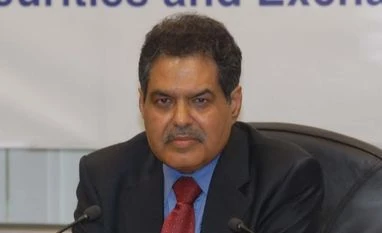 "Sebi not averse to the merger of exchanges, says Chairman Ajay Tyagi")











