A move by richer nations to deny developing countries access to special trade benefits should be stopped swiftly at the World Trade Organisation (WTO), industry bodies told the government as a crucial trade meet kicked off in New Delhi.
On Monday, the two-day WTO ministerial, industry bodies and exporters organisations have asked the government to push for India’s rights to the Special and Differential Treatment’ (S&DT) at WTO headquarters in Geneva.
“In view of the wide diversity in the level of development among WTO membership, there is need for sufficient flexibilities. Just to cite one specific instance, India still has over 360 million poor and as of end-May 2018, it had 73 million people in extreme poverty. So, we just cannot wish away the continued need for S&DT provisions for developing economies like India,” Federation of Indian Chambers of Commerce and Industry (Ficci) President Sandip Somani said.
Developing and least developed members have been at the receiving end of the Trump administration’s ire with regards to different rules. These rules allow poor and developing nations to enjoy special provisions such as a longer time period to implement agreements and commitments, and clauses to safeguard their trade interests, among others.
“There needs to be proper assessments of the impact of removing these benefits on the economies of many developing nations, including India,” a senior functionary from the Federation of Indian Export Organisations, pointed out.
However, there was not much talks on S&DT on Day 1, apart from only the narrow but hotly contested issue of fisheries subsidy. “It is important for developing countries including Least Developed Countries (LDCs) to collectively work for a fair and equitable agreement on disciplines in fisheries subsidies, which takes into consideration the livelihood needs of subsistence fishermen and ground realities in our countries, and protects our policy space to develop capacities for harnessing our marine resources,” a release by the Commerce Department said.
The global e-commerce talks have also set the chatter among industry. India continues to hold out, and is not a part of the talks proposing a set of global rules for e-commerce, pushed by the developed world. In January, 77 nations agreed to officially initiate talks on the subject while on May 3, the European Union submitted a nine-page proposal to the general body that aims to shield traders from attempts to restrict data flows or seize their data and source code.
“In view of the sharp ‘digital divide’ (in terms of digital infrastructure and access to advanced digital technologies), binding rules on cross-border data transfers and localisation restrictions may limit the ability of the developing countries to gain from building their national digital technological capacity and skills, as articulated by the United Nations Conference on Trade and Development,” Somany said.
On the other hand, major multinational tech firms have stared to fret with delegations from Bangalore calling up the Commerce Department to fix appointments after the meet is over. India building up a coalition of nations to battle it out with the EU and push its domestic e-commerce policy will set back the business, they say.
However, sources said that while e-commerce is officially not on the agenda at the mini-ministerial, India has been under pressure to discuss issue by other participating nations.

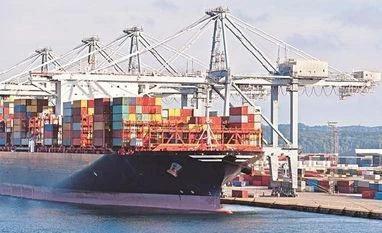 "Protect special benefits for developing nations at WTO: Industry")










 Connect with us on WhatsApp