Single-agenda GST Council meeting on Aug 27 to discuss compensation

Likely to be a stormy affair with divergent views on market borrowing; Next meeting on September 19
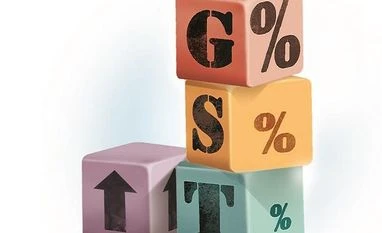
GST, tax, goods and services tax
The 41st Council meeting to discussion only the compensation issue is scheduled for August 27
Dilasha Seth New Delhi
3 min read Last Updated : Aug 20 2020 | 1:09 AM IST
Expanding the scope of the compensation cess under the goods and services tax (GST) regime will be part of the deliberations at the much-anticipated ‘single-agenda’ GST Council meeting on August 27 to thrash out an alternative compensation mechanism for states in light of inadequate cess collections.

It will hold another meeting on September 19 to discuss other issues such as the e-way bill on gold and overarching tech changes in GST returns.

Increasing the cess period by another two to five years, widening the coverage of the compensation cess to include more goods and services, raising cess on existing items, and borrowing from the market to meet the shortfall will be discussed. The meeting is expected to be a stormy affair with divergent views likely to be aired. This is because the Centre will likely press states to borrow to make up for the shortfall, but states want either the Centre or the GST Council to do so.

Attorney General KK Venugopal recommended to the Centre to allow states to borrow on the strength of future receipts from the compensation fund. Most states are opposed to this, arguing that it will be financially inefficient.

                                         
States will pitch for a two to five-year extension of the GST compensation period beyond the promised five years up to 2022. Also on the agenda is a proposal to bring goods and services that earlier attracted 28 per cent tax under the compensation kitty.

Bihar Deputy CM Sushil Kumar Modi told Business Standard that the idea of states borrowing was not feasible, arguing that eventually they will have to provide a guarantee for the borrowed amount, which would mean an increase in the fiscal deficit by 1-1.5 percentage points.

“It seems unlikely there will be a surplus in the compensation cess fund in the next five years. It is not feasible for the states to borrow as it will mean that the compensation cess will have to be extended by another 5-10 years to repay the loan,” said Modi. He added that even if revenue collections in 2020-21 are projected at 65 per cent of the revenues collected in 2019-20, there would be a gap of Rs 2.67 trillion for states.

One subscription. Two world-class reads.

Already subscribed? Log in

Subscribe to read the full story →
*Subscribe to Business Standard digital and get complimentary access to The New York Times

Smart Quarterly

₹900

3 Months

₹300/Month

SAVE 25%

Smart Essential

₹2,700

1 Year

₹225/Month

SAVE 46%
*Complimentary New York Times access for the 2nd year will be given after 12 months

Super Saver

₹3,900

2 Years

₹162/Month

Subscribe

Renews automatically, cancel anytime

Here’s what’s included in our digital subscription plans

Exclusive premium stories online

  • Over 30 premium stories daily, handpicked by our editors

Complimentary Access to The New York Times

  • News, Games, Cooking, Audio, Wirecutter & The Athletic

Business Standard Epaper

  • Digital replica of our daily newspaper — with options to read, save, and share

Curated Newsletters

  • Insights on markets, finance, politics, tech, and more delivered to your inbox

Market Analysis & Investment Insights

  • In-depth market analysis & insights with access to The Smart Investor

Archives

  • Repository of articles and publications dating back to 1997

Ad-free Reading

  • Uninterrupted reading experience with no advertisements

Seamless Access Across All Devices

  • Access Business Standard across devices — mobile, tablet, or PC, via web or app

Topics :GST council meetingGST Council

Next Story



