“It was the best of times, it was the worst of times,” was how Dickens began his tale of two cities. As far as the Supreme Court is concerned, 2018 was a year of two chief justices. The year began with four of the senior-most judges of the Court addressing an unprecedented press conference, in which they apprised the country about what they perceived was the misuse by the sitting Chief Justice of India, of the power to allocate cases. We are now approaching the end of the year, and three of those four judges have since retired. And one of them, Justice Ranjan Gogoi, has become the Chief Justice.
At the beginning of the year, the logjam on appointments to the higher judiciary seemed to have no resolution in sight. However, the situation seems to have improved after October 2018, when Justice Gogoi was sworn in as Chief Justice. Hundreds of appointments have been made to High Courts since October. Some vacancies in the Supreme Court have also been filled. While eyebrows have been raised and lips pursed about some of those sworn in, it is hoped that the robes of office will change the man donning them
On the judicial front, the Court heard matters as varied as the Babri Masjid-Ram Janmbhoomi dispute, the validity of the Aadhar Scheme, the acquisition of the Rafale Aircrafts and the entry of women into Sabarimala. In many ways, 2018 was a remarkable year for the Supreme Court, with important and often unpredictable verdicts. The turn of the year is perhaps a good time to look at some of the significant decisions that the court made and, more importantly, to look at what it failed to do.
As is often the case, most controversies that were in the public domain reached the Supreme Court this year. The Court dealt with (and dismissed) petitions seeking an enquiry into the (mysterious) death of Judge Loya – the Judge presiding over the ‘Sohrabbudin fake encounter’ trial. Later in the year, the Court also dismissed a petition seeking an “independent and comprehensive inquiry” in the circumstances relating to the arrest of five human rights activists on charges related to the violence at Bhima Koregaon.
More recently, the Court dismissed a set of petitions that sought an investigation into the procurement of the Rafale aircraft by the Government. The Judgment has been the subject of much debate, especially with regard to the ‘sealed cover jurisdprudence’ that the Court has been evolving. In its judgment, the Court has relied on a CAG report, which was purportedly submitted to the Parliamentary Affairs Committee and was in the public domain. However, no such report exists. The Centre has now filed an Application seeking correction of the Judgment.
The year 2019 promises to be as significant. Soon after it reopens, the Court will be asked to fix a date for the hearing of the Babri Masjid-Ram Janambhoomi dispute. Another significant issue that is pending adjudication is the validity of the electoral bond scheme promulgated by the Government. The Court is also expected to deliver judgment in the plea filed by Alok Verma, challenging his removal from the post of the CBI Director.
Year 2018 will go down as a watershed one for the court. It came into its own as a team institution, and not one that could be dominated by a single captain. However, while it showed promise in some areas of defending the citizen against social morality, it did not stand sentinel against government overreach. Its theme song was Constitutional Morality, a nebulous concept, more dependent on the personality than precept. It was the best of times, it was the worst of times.

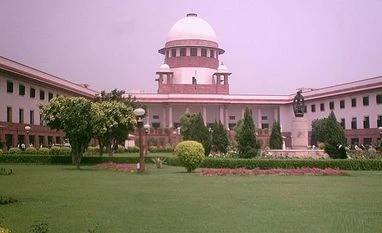 "Supreme Court in 2018: A Dickensian mixed bag of milestones and misses")












