The jute industry is in for fresh trouble with the Union textiles ministry seriously considering a proposal to de-reserve the mandatory packing order of food grains in sacking bags by five per cent in 2017-18 jute year. The jute year is calculated from July 1 this year to June 30, 2018
Under the prevailing packaging norms, food grains of up to 90 per cent need to be compulsorily packed in jute bags. The ministry’s Standing Advisory Committee (SAC) had recommended a dilution of five per cent to allow indenting agencies to opt for high density polyethylene (HDPE) or polypropylene (PP) bags.
The committee’s recommendation stems from the projected short supply in jute bags. That apart, the cushion enjoyed by the jute industry in the form of mandatory packaging by government agencies had left the industry lethargic and limited the scope for diversification into new, value added products.
“If the ministry accepts the SAC’s recommendations, it will be a blow to the jute industry. The committee has called for phased dilution of the packing order, advocating de-reservation in food grains of five per cent each year”, said an industry source.
The textiles ministry had earlier pointed out that for the last two years; the jute industry was unable to supply the required quantity of packaging bags. This shortfall prompted the government to grant relaxation to government indenting agencies for use of HDPE and PP bags. The final decision on packaging norms for 2017-18 jute year would be taken by the Cabinet Committee on Economic Affairs (CCEA) after a realistic assessment of inputs received from all the stakeholders.
The SAC has recommended a gradual phasing out of the packaging requirement for food grains by five per cent each year to bring down the reservation level to 50 per cent by 2024-25. The panel feels that protection for jute bags raises the cost for the consumers. Also, the imposition of anti-dumping duty from January 2017 has led to surge in demand for jute products in the domestic market and hence, the high reservation level for sacking bags had become redundant.
Read this article for free
Register to continue reading premium journalism and analysis from Business Standard.

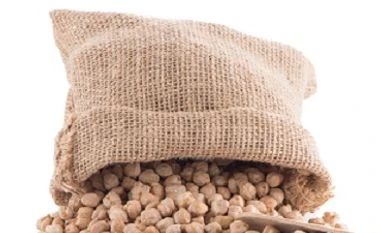 "Textiles ministry plans 5% dilution in food grains packing")












 Connect with us on WhatsApp