Untimely rain will make vegetables costlier: Study
BS Reporter New Delhi The recent rain and hailstorm in about 10 states might push up vegetable prices by 20-25 per cent in a few days due to widespread damage to standing crops, Assocham (Associated Chambers of Commerce and Industry of India) and private weather forecasting agency Skymet Weather said.
"Tomatoes, cauliflower and coriander have been the worst-affected," said the joint study. Horticultural crops such as mangoes, bananas and grapes were also affected and the impact could be seen in prices, it said.
"In addition to the untimely rain, temperatures have also gone down and this could affect the crops. Consumers may have to face the burden in the next few days," said the study titled Monsoon 2015: Agri-business Risk or Opportunity.
The study said rain and hailstorm did extensive damage to the standing rabi crop, which could pull down the overall crop yields by as much as 25-30 per cent.
The damage estimates are more than what were officially released by the Centre last month. The Centre had lowered its estimate of crop damage following a meeting between Prime Minister Narendra Modi and officials from the affected states and after getting fresh inputs from states.
According to the revised estimates, standing rabi crops in 11 million hectares were damaged in the recent rains and hailstorm, which is 17 per cent of the total rabi sowing for cereals and lower than the 18 million hectares estimated earlier.
An official statement had said wheat crop on six million hectares had been completely damaged, much lower than the preliminary estimate at 12 million hectares.
Wheat in 2014-15 had been sown on 30 million hectares. "Our assessment shows total production loss should not be more than 2-3 per cent," said a senior government official.
"This untimely rain would also increase the threat from pests. If this continues, farmers may face huge monetary loss," said the study.
According to the government's initial estimates, the country's foodgrain production is expected to decline by 3.2 per cent to 257 million tonnes in 2014-15 crop year (July to June) from the record 265 million tonnes in 2013-14.
In UP, 30% mango crop damaged Vagaries of nature have hit the mango growers of Uttar Pradesh, where almost 30 per cent of the crop has been damaged by unseasonal rain, wind and hailstorm, raising fear of poor availability and high cost of the fruit.
"Almost 30 per cent of the flowering mango has been destroyed," said Insram Ali, president of the All-India Mango Growers' Association.
"This is not enough as the unpredictability of nature continues," he said.
"The mango growers of Saharanpur have estimated the losses amount to 70 per cent," Ali said.
"Their woes are worse than other farmers as they are not entitled to the compensation granted by the government" he said.

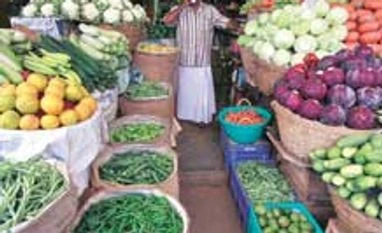 "Untimely rain will make vegetables costlier: Study")


 Connect with us on WhatsApp