UP farm sector credit flow estimated at Rs 2.94 trillion in FY20-21

The estimates are 9.7% higher compared to Rs 2.68 trillion in FY20
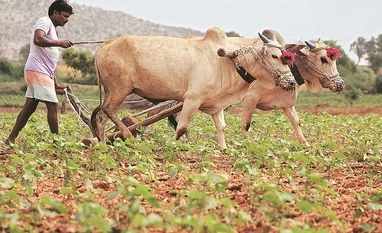
Water conservation: Nabard to help 1,00,000 villages before monsoon
Virendra Singh Rawat Lucknow
2 min read Last Updated : Feb 11 2020 | 1:52 PM IST
The National Bank for Agriculture and Rural Development (NABARD) has pegged the aggregate credit potential in the agricultural and allied sectors of Uttar Pradesh at Rs 2.94 trillion for the financial year 2020-21, growing at 9.7 per cent. However, the growth rate has for the first time slipped to single digit in past several years.

The new figures were revealed in the NABARD’s State Focus Paper (SFP) unveiled by UP Finance Minister Suresh Khanna. He said it would eventually help in realising the target of UP becoming a $1 trillion economy by 2024. The credit flow to the state farm and agro sectors will reach agricultural and allied segments viz. crop production, animal husbandry, fisheries, rural housing, water resources, plantation, horticulture, rural infrastructure, renewable energy, export, education etc.

Of the credit potential, the short term crop loan accounts for the major share of Rs 1.40 trillion nearly 48 per cent of the total estimates, followed by the Micro, Small and Medium Enterprises (MSME) with credit flow of Rs 63,000 crore or more than 21 per cent. It is likely to aid the MSME sector’s flagship One District One Product (ODOP) scheme, which has now been replicated by the Centre in Union Budget 2020-21.

Meanwhile, Rs 34,000 credit potential has been estimated for farm allied segments, such as horticulture, dairy, fisheries etc, while Rs 18,265 crore has been estimated as the credit flow to rural housing.

SFP is part of the RBI initiated decentralised credit planning by NABARD to estimate credit potential in different sectors of an economy. Based on the SFP, the commercial banks prepare Annual Credit Plan (ACP) for UP, fixing individual bank targets under the Lead Bank Scheme.

Sl. No. Financial year UP Rural Credit Plan % increase
1 2012-13 Rs 0.80 trillion 25
2 2013-14 Rs 1.01 trillion 21
3 2014-15 Rs 1.22 trillion 20
4 2015-16 Rs1.43 trillion 18
5 2016-17 Rs 1.78 trillion 25
6 2017-18 Rs 2.07 trillion 17
7 2018-19 Rs 2.37 trillion 15
8 2019-20 Rs 2.68 trillion 13
9 2020-21 Rs 2.94 trillion 9.7
Source: NABARD/Compiled by Virendra Singh Rawat
     

One subscription. Two world-class reads.

Already subscribed? Log in

Subscribe to read the full story →
*Subscribe to Business Standard digital and get complimentary access to The New York Times

Smart Quarterly

₹900

3 Months

₹300/Month

SAVE 25%

Smart Essential

₹2,700

1 Year

₹225/Month

SAVE 46%
*Complimentary New York Times access for the 2nd year will be given after 12 months

Super Saver

₹3,900

2 Years

₹162/Month

Subscribe

Renews automatically, cancel anytime

Here’s what’s included in our digital subscription plans

Exclusive premium stories online

  • Over 30 premium stories daily, handpicked by our editors

Complimentary Access to The New York Times

  • News, Games, Cooking, Audio, Wirecutter & The Athletic

Business Standard Epaper

  • Digital replica of our daily newspaper — with options to read, save, and share

Curated Newsletters

  • Insights on markets, finance, politics, tech, and more delivered to your inbox

Market Analysis & Investment Insights

  • In-depth market analysis & insights with access to The Smart Investor

Archives

  • Repository of articles and publications dating back to 1997

Ad-free Reading

  • Uninterrupted reading experience with no advertisements

Seamless Access Across All Devices

  • Access Business Standard across devices — mobile, tablet, or PC, via web or app

Topics :NABARDYogi Adityanathcredit riskNABARD Bonds

Next Story



