Vegetables, pulses drove Jan wholesale inflation, bucked wider softening trend
While the general trend in WPI inflation was in decline, vegetables and pules increased and at a faster pace than in December
Indivjal Dhasmana New Delhi In January, general wholesale prices fell, but food became more expensive and at a faster pace than in December.
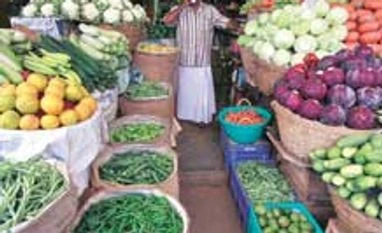
It was primarily vegetables such as peas, tomato, cauliflower, cabbage, and brinjal, and pulses such as moong, masur and urad which drove up food prices for the second consecutive month. Overall, wholesale price index (WPI) inflation dipped to minus 0.39% in January, showing deflation on the yearly basis for the second time in three months. There was deflation at 0.17% per cent in November and inflation at 0.11% in December.
While inflation in vegetables rose to 19.74% in January against price fall of 4.78% in December and much sharper decline in the previous four months, pulses saw the rate of price rise to go up to 12.34% from 5.88% in December.
However, an official release issued earlier this week showed potatoes and onions as not having seen any high inflation. While onion saw continued deflation, inflation in potatoes declined.
Onions prices declined by 1.90% in January from 18.54% fall in December and between 44-59% in the previous four months. On the other hand, potatoes saw the rate of price rise moving down to 2.11% in January from 13.76% in the previous month. .
So what has caused inflation to rise so much in vegetables?
Cabbage saw inflation rising by almost 80% in January compared to just 13% in the previous month. Inflation had also risen in this winter vegetable in January, 2014, but by around 32%.
Brinjal turned more expensive by over 67% in January from almost 55% in the previous month. It should be noted that brinjal saw fall in prices by as much as around 24% in January, 2014 year-on--year.
However, inflation in brinjal rose primarily because it is calculated year-on-year. Otherwise, it has become cheaper by over 7% in January sequentially.
Then, there were tomatoes which saw prices zooming up by more than 50% in January, a sharp rise considering that prices fell in December by 28%. Inflation had also risen in tomatoes by almost 17% in January a year ago.
Peas turned costlier by almost 36% in January, despite the fact that prices actually fell around 9% in December. Peas also saw prices rising in January last, but just by over one per cent.
Inflation in cauliflowers rose to approximately 25% in the first month of 2015 against just 0.90% in December. Inflation was just 8.40% in this winter crop in January, 2014.
Among pulses, moong became costlier by almost 31% in January. It had become expensive by around 22% in December as well and almost 11% in January last.
Masur and urad also saw prices rising by around 27% in January.

 "Vegetables, pulses drove Jan wholesale inflation, bucked wider softening trend")


