The wholesale price index (WPI) based inflation fell for the 15th straight month in January, dropping at 0.90 per cent compared to 0.73 per cent in December.
While it was way back in 1975-76 that there was WPI-based deflation for a full year, the index had last showed inflation in October 2014, at 1.66 per cent.
Government data released on Monday, showed that total build up in the inflation for the current financial year leading up to January was -0.23% as compared to a -1.66% fall in the corresponding period of the previous year.
The price pressure points remained, particularly in food articles, inflation for which accelerated at 6.02 per cent, as compared to the 8.17 per cent increase seen in the previous month. Total food inflation rise in this financial year is 7.34 per cent, lower than the 7.59 per cent rise seen in the corresponding period, last year.
Pulses continued to rise by 44.91 per cent, although inflation mellowed from the 55 per cent rise witnessed in December.
For onions however, rate of inflation dropped significantly with prices by 5.51 per cent as compared to the nearly 26 per cent rise seen last month. The rate of inflation has steadily shown a downward trend for both commodities from the peak inflation rates in October.
Vegetables which rose by 12.52 per cent constituted the second fastest rising food article. However, potato prices continued to beat the trend, falling by more than 17 per cent per cent in December.
Aditi Nayar, Chief Economist at ICRA said, “Notwithstanding some correction relative to the previous month, inflation for pulses, vegetables and spices remained uncomfortably high in January 2016.”
For manufactured products, which have a combined weightage of 65 per cent in the WPI index, prices declined 1.17 per cent year-on-year.
The trends represent softening of international prices. However, part of this might be due to slow demand in domestic markets, which might come in the way of revival of economic growth.
The manufactured food products sub category however showed a slight increase at 2.79 per cent. Edible Oils which rose by 2.12 per cent and Beverages, Tobacco & Tobacco Product (2.28 per cent) were the main cause.
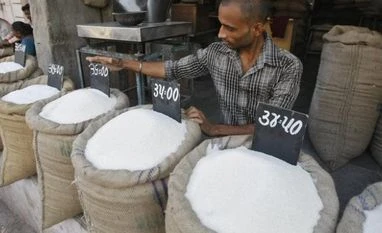
Sugar prices, on the other hand, continued to drop, falling by 1.17 per cent.
The forecast is not looking up for next month also. ”The January 2016 WPI inflation is in line with our expectations. We anticipate that WPI inflation will print a tad below zero in February 2016 barring a sizable uptick in crude oil prices in the remainder of this month.” said Nayar.
The economy clocked 7.3 per cent growth in the quarter ended December and was estimated to expand by 7.6 per cent in the current financial year, according to data released by Central Statistics Office recently.
Non-food inflation also rose by 8.24 per cent, higher than 7.70 per cent seen the previous month. Oilseeds continued to show a rising tendency, rising by 5.90 per cent in January. but was overtaken by fibres which grew at 7.77 per cent.
Another area where prices remained depressed was fuel and power, (15 per cent weightage ) which kept on falling by more than nine per cent. All the sectoral components such as liquefied natural gas, petrol and high speed diesel showed a reduction in prices, following global cues but rate of fall eased.
Economists believe prices will hold steady and start rising by mid 2016. Diesel fell by more than 12.76 per cent in December.
Retail inflation in January inched up to a 17-month high of 5.69 per cent, led mainly by a sharp acceleration in food prices, suggesting any interest rate cut by the Reserve Bank of India might be considered only after April. January was a fifth straight month of rise, with pressure from pulses, meat and fish, and spices.

 "Wholesale prices drop for 15th straight month in January")


