Winter session of Parliament likely to begin from Dec 10; Budget in Feb

There is also a view in the govt that it could follow the example of UPA 2, which in 2013-14 had combined the winter and budget sessions with a long recess in between
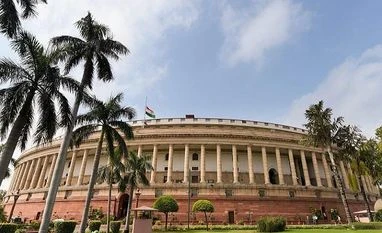
parliament
Archis Mohan New Delhi
Last Updated : Nov 14 2018 | 12:46 AM IST
The Narendra Modi government is considering whether to hold a truncated winter session of Parliament and subsequently a brief session in February to present its interim Budget, or go for a combined concluding session of the current Lok Sabha.

Government sources said the winter session could begin on December 10 and end on December 23.

There is also a view in the government that it could follow the example of UPA 2, which in 2013-14 had combined the winter and budget sessions with a long recess in between. Usually, the official Budget session, if a government has completed its full five-year term, is held after the convening of the new Lok Sabha.

In 2013, the UPA 2 had held the concluding session of Parliament from December 5, 2013, to February 21, 2014 - combining the winter and interim Budget sessions. The session began on December 5, with Parliament going into a long recess on December 19, and meeting again from February 5 to 21.

In 2008-09, the UPA 1 government had held two separate sessions in its final year. The 14th Lok Sabha had a brief winter session from December 10 to December 23, 2008, but the government classified it as the extended monsoon session. Subsequently, the government held a brief interim budget session from February 12, 2009, to February 26, 2009.

The Atal Bihari Vajpayee government also held a combined concluding session of the 13th Lok Sabha from December 2, 2003, to February 26, 2004, with a long recess in between. The Vajpayee government had advanced the Lok Sabha elections by six months, from October to April-May.

The government on Tuesday appointed Narendra Singh Tomar as the successor to Ananth Kumar, who passed away on Monday, in parliamentary affairs ministry. D V Sadananda Gowda was given the additional charge of chemicals and fertilizers portfolio that Kumar was holding.

One subscription. Two world-class reads.

Already subscribed? Log in

Subscribe to read the full story →
*Subscribe to Business Standard digital and get complimentary access to The New York Times

Smart Quarterly

₹900

3 Months

₹300/Month

SAVE 25%

Smart Essential

₹2,700

1 Year

₹225/Month

SAVE 46%
*Complimentary New York Times access for the 2nd year will be given after 12 months

Super Saver

₹3,900

2 Years

₹162/Month

Subscribe

Renews automatically, cancel anytime

Here’s what’s included in our digital subscription plans

Exclusive premium stories online

  • Over 30 premium stories daily, handpicked by our editors

Complimentary Access to The New York Times

  • News, Games, Cooking, Audio, Wirecutter & The Athletic

Business Standard Epaper

  • Digital replica of our daily newspaper — with options to read, save, and share

Curated Newsletters

  • Insights on markets, finance, politics, tech, and more delivered to your inbox

Market Analysis & Investment Insights

  • In-depth market analysis & insights with access to The Smart Investor

Archives

  • Repository of articles and publications dating back to 1997

Ad-free Reading

  • Uninterrupted reading experience with no advertisements

Seamless Access Across All Devices

  • Access Business Standard across devices — mobile, tablet, or PC, via web or app

Next Story


