YES Bank crisis: FM Nirmala Sitharaman asks RBI to fix accountability

Sitharaman said the RBI and the government had been closely monitoring YES Bank since 2017
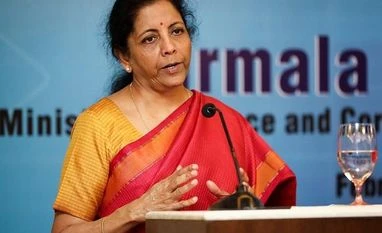
Nirmala Sitharaman
Sitharaman said the government wanted the RBI to ensure that due process of law was followed | File photo
Indivjal Dhasmana New Delhi
2 min read Last Updated : Mar 07 2020 | 1:31 AM IST
Finance Minister Nirmala Sitharaman (pictured) has asked the Reserve Bank of India (RBI) to fix accountability in the YES Bank imbroglio. She told reporters on Friday that the RBI had been asked to assess the causes of problems at YES  Bank and the role played by individuals. The government, she said, wanted the RBI to ensure that due process of law was followed with a sense of urgency and see if there was any regulatory gaps. She sought to differentiate between the way in which the Modi government was handling the YES Bank issue and the one adopted by the United Progr­essive Alliance (UPA) government in such cases. "Against how many people did they (UPA government) take action," Sitharaman asked.

Taking a dig at senior Congress leader and former finance minister P Chidambaram, she said United Western Bank collapsed in 2006 under the "self-appointed competent doctors".

Chidambaram had in a series of tweets asked why should state-owned State Bank of India (SBI) invest in YES Bank.

She said the UPA merged it with IDBI because of which the latter also lost. Also, the UPA government merged the failed Global Trust Bank with Oriental Bank of Commerce and washed its hands, she alleged.

On the other hand, the Modi government was ensuring that consumers’ interests were protected. "Our approach has been to ensure that institutions don't collapse and above all to ensure that the interests of consumers, businesses, clients and depositors are safe. That is why the prime minister insisted that we increase the deposit insurance from Rs 1 lakh to Rs 5 lakh," she said.

Sitharaman said the RBI and the government had been closely monitoring YES Bank since 2017.

Sitharaman said the government came into play in January 2020 after YES failed multiple times to raise capital from investors after making “genuine attempts”. “Once in November 2019 there was no longer scope for getting any money and coincidentally, the chairman of their audit committee resigned in January 2020 … that’s when we started engaging,” Sitharaman said.

One subscription. Two world-class reads.

Already subscribed? Log in

Subscribe to read the full story →
*Subscribe to Business Standard digital and get complimentary access to The New York Times

Smart Quarterly

₹900

3 Months

₹300/Month

SAVE 25%

Smart Essential

₹2,700

1 Year

₹225/Month

SAVE 46%
*Complimentary New York Times access for the 2nd year will be given after 12 months

Super Saver

₹3,900

2 Years

₹162/Month

Subscribe

Renews automatically, cancel anytime

Here’s what’s included in our digital subscription plans

Exclusive premium stories online

  • Over 30 premium stories daily, handpicked by our editors

Complimentary Access to The New York Times

  • News, Games, Cooking, Audio, Wirecutter & The Athletic

Business Standard Epaper

  • Digital replica of our daily newspaper — with options to read, save, and share

Curated Newsletters

  • Insights on markets, finance, politics, tech, and more delivered to your inbox

Market Analysis & Investment Insights

  • In-depth market analysis & insights with access to The Smart Investor

Archives

  • Repository of articles and publications dating back to 1997

Ad-free Reading

  • Uninterrupted reading experience with no advertisements

Seamless Access Across All Devices

  • Access Business Standard across devices — mobile, tablet, or PC, via web or app

Topics :Nirmala SitharamanYES BankRBIReserve Bank of IndiaP ChidambaramUPACongressNarendra ModiOriental Bank of CommerceModi government

Next Story



