Auction of NPAs: Govt notifies banking law amendment to deal with bad loans

The ordinance enables RBI to direct banks to initiate bankruptcy proceedings of defaulting cos
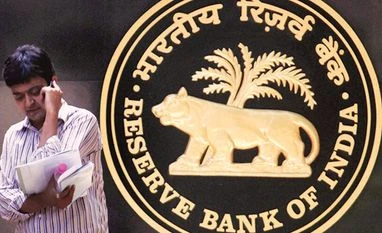
rbi
Reserve Bank of India
Arup Roychoudhury New Delhi
Last Updated : May 05 2017 | 2:25 PM IST
The government on Friday notified the Banking Regulation (Amendment) Ordinance 2017, kick-starting a new framework to deal with Rs 6 lakh crore worth of non-performing assets in the Indian banking system.

The ordinance comes into force immediately and enables the Reserve Bank of India (RBI) to direct banks to initiate bankruptcy proceedings of defaulting companies under the Insolvency and Bankruptcy Code. The banking regulator has also been empowered to decide on dealing with toxic assets and instructing banks to act accordingly. The RBI will also set up multiple oversight committees to direct banks and joint-lending forums to deal with the stressed assets.

Two sections defining these powers have been inserted after Section 35A in the Banking Regulations Act. After the cabinet cleared the ordinance on Wednesday, President Pranab Mukherjee’s assent came early Friday morning.

“Whereas the stressed assets in the banking system have reached unacceptably high levels and urgent measures are required for their resolution… And whereas Parliament is not in session and the President is satisfied that circumstances exist which render it necessary for him to take immediate action,” the gazette notification stated.

Further details are awaited from Finance Minister Arun Jaitley’s press conference later today. What is learnt so far is that the new framework may also allow state-owned banks to conduct open auctions of NPAs, wherein cash-rich public sector companies will be encouraged to buy such assets in their sector. It contains a set of fresh guidelines for public auction of assets by the state owned banks for the steel and power sector, which account for a majority of toxic assets.

The aim is to monitor progress on the top 35-40 non-performing assets of all banks. These constitute 60 per cent of all NPAs by value.

The framework also envisages amendments to the Prevention of Corruption Act to exempt commercial decisions by public sector banks from scrutiny by investigating agencies. Both the amendments are likely in the monsoon session of Parliament.

The government has asked banks to provide data on their top NPA accounts. It has also sought more information from consortium leaders.

One subscription. Two world-class reads.

Already subscribed? Log in

Subscribe to read the full story →
*Subscribe to Business Standard digital and get complimentary access to The New York Times

Smart Quarterly

₹900

3 Months

₹300/Month

SAVE 25%

Smart Essential

₹2,700

1 Year

₹225/Month

SAVE 46%
*Complimentary New York Times access for the 2nd year will be given after 12 months

Super Saver

₹3,900

2 Years

₹162/Month

Subscribe

Renews automatically, cancel anytime

Here’s what’s included in our digital subscription plans

Exclusive premium stories online

  • Over 30 premium stories daily, handpicked by our editors

Complimentary Access to The New York Times

  • News, Games, Cooking, Audio, Wirecutter & The Athletic

Business Standard Epaper

  • Digital replica of our daily newspaper — with options to read, save, and share

Curated Newsletters

  • Insights on markets, finance, politics, tech, and more delivered to your inbox

Market Analysis & Investment Insights

  • In-depth market analysis & insights with access to The Smart Investor

Archives

  • Repository of articles and publications dating back to 1997

Ad-free Reading

  • Uninterrupted reading experience with no advertisements

Seamless Access Across All Devices

  • Access Business Standard across devices — mobile, tablet, or PC, via web or app

Next Story



