Govt okays Ordinance to give more teeth to RBI over co-operative banks

The RBI will get more auditory and managerial powers over 1,482 urban co-operative banks and 58 multi-state co-operative banks after the Ordinance is approved by the President

Reserve bank of India
In February, the government had said that the audit of such co-operative banks will be according to RBI regulations and the best management practices laid down by the regulator will also apply to them
Somesh Jha New Delhi
3 min read Last Updated : Jun 25 2020 | 1:21 AM IST
The Union government on Wednesday decided to take the Ordinance route to give more powers to the Reserve Bank of India to supervise co-operative banks, akin to commercial banks.

The RBI will get more auditory and managerial powers over 1,482 urban co-operative banks and 58 multi-state co-operative banks after the Ordinance is approved by the President to become a law. The Ordinance will, however, need an approval from Parliament within six months of becoming a law.


“The urban co-operative and multi-state co-operative banks will come under the supervisory control of the RBI. The supervisory norms which apply to commercial banks will also be applicable to them. The move will help keep the depositors’ money safe,” Information and Broadcasting Minister Prakash Javadekar said in a press briefing.

In February, the government had said that the audit of such co-operative banks will be according to RBI regulations and the best management practices laid down by the regulator will also apply to them. The RBI will get powers to supersede the board of co-operative banks.

The RBI will be allowed to set the minimum level of qualifications for the board members of such lenders which will need the consent of the regulator to appoint a chief executive officer.  The managements of such banks are elected through co-operative bodies at present and the RBI has limited control over their appointments.


There are 86 million depositors with deposits worth Rs 4.84 trillion with such banks. “During the process of restructuring (of such banks), it is seen that the depositors face troubles and line up in front of the banks. This will not happen going ahead,” Javadekar said.

The Cabinet had approved the Banking Regulation Amendment Bill, 2020 in February to propose similar changes but the government has now decided to take the Ordinance route to expedite the process.

Right now, while the registrars under the state and central governments have control over incorporation, registration, management, recovery, audit, supersession of board of directors and liquidation, the RBI is “invested with regulatory functions", according to the RBI’s Trends and Progress Report 2018-19.

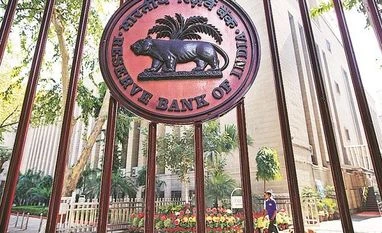
The RBI is also responsible for the supervision of urban co-operative banks, empowered to give suggestions on prudential norms for capital adequacy, income recognition, asset classification and provisioning, liquidity requirements and single or group exposure norms.


There was a dual control of the RBI and respective states and the central governments that restricted timely regulator action against co-operative banks.

However, even after the recent proposed changes in legislation, the RBI will be gaining control over a small share of the co-operative banks.


As of March 2019, 1,544 urban co-operative banks accounted for merely 1.6 per cent out of the 97,792 co-operative banks. In fact, 96,248 rural co-operative banks accounted for around 65 per cent of the assets of co-operatives and were controlled by the respective state government legislation.

One subscription. Two world-class reads.

Already subscribed? Log in

Subscribe to read the full story →
*Subscribe to Business Standard digital and get complimentary access to The New York Times

Smart Quarterly

₹900

3 Months

₹300/Month

SAVE 25%

Smart Essential

₹2,700

1 Year

₹225/Month

SAVE 46%
*Complimentary New York Times access for the 2nd year will be given after 12 months

Super Saver

₹3,900

2 Years

₹162/Month

Subscribe

Renews automatically, cancel anytime

Here’s what’s included in our digital subscription plans

Exclusive premium stories online

  • Over 30 premium stories daily, handpicked by our editors

Complimentary Access to The New York Times

  • News, Games, Cooking, Audio, Wirecutter & The Athletic

Business Standard Epaper

  • Digital replica of our daily newspaper — with options to read, save, and share

Curated Newsletters

  • Insights on markets, finance, politics, tech, and more delivered to your inbox

Market Analysis & Investment Insights

  • In-depth market analysis & insights with access to The Smart Investor

Archives

  • Repository of articles and publications dating back to 1997

Ad-free Reading

  • Uninterrupted reading experience with no advertisements

Seamless Access Across All Devices

  • Access Business Standard across devices — mobile, tablet, or PC, via web or app

Topics :cooperative banksReserve Bank of Indiaordinance

Next Story




