LIC diet sees more equity chomp
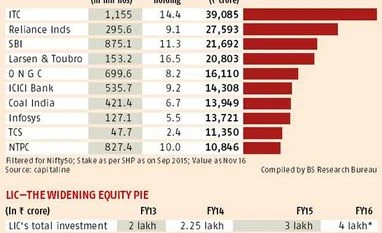
In a clear trend, investing markedly more in stocks during recent years, with marked participation in some large issues
BS Reporter Mumbai Life Insurance Corporation of India (LIC) has over the past three years slowly gone heavier on equity, from a conservative and debt-heavy investor.
The country's largest insurer and one of the largest investors in the stock market is slowly turning towards the equity markets, with higher investment and more participation in large issuances, too.
Senior officials at the government-owned company said with volatility in the markets and stock prices, it was seen as a good opportunity to buy. "Churning has been more pronounced, and unlike others, we are a long-term player," said one.
In the recent Indian Oil Corporation issue, the insurer took nearly 86 per cent of the offer. It had invested in the share issues of Coal India and share sales in Steel Authority of India last year.
While it has often been labelled a 'bailout agency' of the government, LIC has maintained these were decisions it took on merits of the company, the issue and pricing, and after detailed assessment by an internal investment team.
In a recent interview to this newspaper, LIC chairman S K Roy had said it was a rising market last year. As a contrarian investor, he said, LIC tends to sell in a rising market. "In a falling market, we will tend to buy. Which of the two will happen will depend on the behaviour of the market."
In 2014-15, the insurer had booked an all-time profit in this portfolio, of a little more than Rs 24,000 crore. With launch of its unit-linked insurance product after almost two years, there will be an additional flow of funds from this portfolio to the market.
LIC had in January 2014 made a significant investment in State Bank of India's qualified institutional placement, at about Rs 1,600 a share. And, in the Coal India offer for sale earlier this year.
Officials said the company did invest heavily in government securities, as its product portfolio is largely traditional. With the Sensex showing an upside, the company would go to the market in a major way.
According to Insurance Regulatory and Development Authority of India regulations, life insurers have to invest at least 25 per cent in central government securities. They may hold up to 15 per cent equity in a company.
Even earlier, LIC invested heavily in the disinvestment exchange-traded fund. Apart from its regular investments, LIC also participated in the government's divestment of stake in Bharat Heavy Electricals and Specified Undertaking of UTI's stake sale in Axis Bank.
In FY14, LIC invested Rs 2.25 lakh crore, of which 15 per cent was in the equity segment. The company has been a long-term investor in the stock market, investing for at least eight years.
During the past 12 months, the company made several changes to its stake in large companies. Recently, it reduced its stake in Ashok Leyland by two per cent, selling 57.1 million shares in the open market. It raised stake in many companies in the first two quarters, including Hindalco, Oil and Natural Gas Corporation and Rural Electrification Corporation.
LIC plans to raise its total corpus of investments, both equity and debt, to Rs 32 lakh crore by 2020.

 "LIC diet sees more equity chomp")


 Connect with us on WhatsApp