Pressure building on banks to raise lending rates, albeit gradually

Real action only after policy rate revision
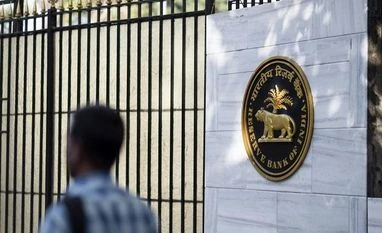
RBI
RBI ( Photo: Bloomberg)
Abhijit Lele Mumbai
2 min read Last Updated : Apr 09 2022 | 3:04 AM IST
Taking a cue from the shift in policy stance and hardening yields, banks may look to revise (read hike) lending rates albeit in a calibrated manner. Much of upward revision in loan rates is expected to happen when the Reserve Bank of India hikes policy rates like repo, bankers said.

Bank executives credit offtake has been subdued said in the first quarter, especially in the wholesale segment. Small ticket loans – retail and MSMEs – are benchmarked to external parameters like repo rate. So little action is expected in the near term.

The Indian Bank Association chairman and Punjab National Bank managing director A K Goel said pricing of bank loans linked to repo rate will not be affected as the repo rate has been kept unchanged.

Lending rates especially on retail loans may hold current levels for a while. But the pressure would begin to build in this quarter on expectation of hike in policy repo rate which currently stands at four per cent.

Bank of Baroda’s economic research note said since the onslaught of the Covid-19 pandemic, MPC has been proactive to support growth and keep inflation in check. Both the policy rates were last reduced in May’20 with repo at 4% and reverse repo at 3.35% and has since been kept at historic lows.

The loans linked to MCLR are likely to enjoy the ultra-low rates for an extended period, making the environment conducive for reviving and fostering demand, it said.

RBI in its monetary policy report (April 2022) said The accommodative stance of monetary policy, ample surplus liquidity, and the floating rate loans linked to marginal cost of funds-based lending rate (MCLR) getting reset lower contributed to some further easing in commercial bank’s lending rates in the second half of Fy22.

RBI reduced policy repo rate by 250 basis points since February 2019, marking the start of the current easing phase. In response, the weighted average lending rates (WALRs) on fresh and outstanding rupee loans have declined by 213 bps and 143 bps, respectively.

One subscription. Two world-class reads.

Already subscribed? Log in

Subscribe to read the full story →
*Subscribe to Business Standard digital and get complimentary access to The New York Times

Smart Quarterly

₹900

3 Months

₹300/Month

SAVE 25%

Smart Essential

₹2,700

1 Year

₹225/Month

SAVE 46%
*Complimentary New York Times access for the 2nd year will be given after 12 months

Super Saver

₹3,900

2 Years

₹162/Month

Subscribe

Renews automatically, cancel anytime

Here’s what’s included in our digital subscription plans

Exclusive premium stories online

  • Over 30 premium stories daily, handpicked by our editors

Complimentary Access to The New York Times

  • News, Games, Cooking, Audio, Wirecutter & The Athletic

Business Standard Epaper

  • Digital replica of our daily newspaper — with options to read, save, and share

Curated Newsletters

  • Insights on markets, finance, politics, tech, and more delivered to your inbox

Market Analysis & Investment Insights

  • In-depth market analysis & insights with access to The Smart Investor

Archives

  • Repository of articles and publications dating back to 1997

Ad-free Reading

  • Uninterrupted reading experience with no advertisements

Seamless Access Across All Devices

  • Access Business Standard across devices — mobile, tablet, or PC, via web or app

Topics :Reserve Bank of IndiaLending RatesRBI monetary policyMSMEsPunjab National Bank

Next Story



