
PSBs' bad loans hit Rs 6.89 trn, or the cost of electrifying half of India!
In the decade to 2016, bad loans in the non-priority sector rose more than 22-fold
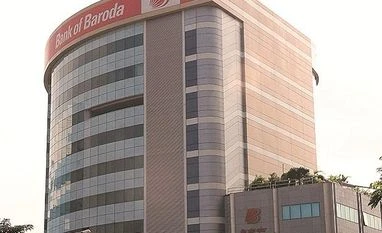 "PSBs' bad loans hit Rs 6.89 trn, or the cost of electrifying half of India!")
premium
Explore Business Standard
In the decade to 2016, bad loans in the non-priority sector rose more than 22-fold
Of the 21 public sector banks, 11 had non-performing assets (NPAs) greater than 15% of total assets, as per data cited by the minister. In light of the Rs 11,000 crore fraud at Punjab National Bank, the Reserve Bank of India (RBI) has placed all 11 under scrutiny, The Financial Express reported on April 9, 2018. Five more PSBs are expected to join the ranks. Demands that PSBs be privatised have also been reinvigorated since the fraud was unearthed in February this year.
Among other corrective action, the RBI will restrict their lending activities, opening up of new branches and recruitment.
Indian companies and individuals owed Rs 4.1 lakh crore ($61.41 billion) to PSBs in overdue loans in the “non-priority sector”–mainly corporate lending, car loans, personal finance, credit card dues and home loans–as of March 2016. These NPAs, if fully recovered, would suffice to pay off distressed farm loans across eight states, with a third (32%) still left over, IndiaSpend had reported on July 31, 2017.
In the decade to 2016, bad loans in the non-priority sector rose more than 22-fold (2166%) from when they were valued at Rs 18,300 crore in 2006, the report said. During the same period, the sector’s share in public sector banks’ NPAs rose from 44.2% to 76.7%. This growth was particularly pronounced after 2011, when it became 12-fold (1110%) over five years.
| NPA Ratio Of Public Sector Banks | ||
|---|---|---|
| Public Sector Banks | NPA Ratio (In %) | Put Under Prompt Corrective Actions By RBI |
| Allahabad Bank | 15.46 | Yes |
| Andhra Bank | 14.26 | Expected to be |
| Bank of Baroda | 13.22 | No |
| Bank of India | 15.49 | Yes |
| Bank of Maharashtra | 19.05 | Yes |
| Canara Bank | 10.58 | Expected to be |
| Central Bank of India | 18.08 | Yes |
| Corporation Bank | 15.92 | Yes |
| Dena Bank | 19.56 | Yes |
| IDBI Bank Limited | 24 | Yes |
| IndianBank | 6.4 | No |
| Indian Overseas Bank | 22.74 | Yes |
| Oriental Bank of Commerce | 16.95 | Yes |
| Punjab & Sind Bank | 10.95 | Expected to be |
| Punjab National Bank | 12.88 | Expected to be |
| State Bank of India | 11.8 | No |
| Syndicate Bank | 10.91 | No |
| UCO Bank | 23.29 | Yes |
| Union Bank of India | 13.54 | Expected to be |
| United Bank of India | 20.1 | Yes |
| VijayaBank | 6.17 | No |
Source: Lok Sabha and Financial Express; Data as of December 31, 2017,
(Note: The numbers related to electrification are arrived at by multiplying Rs 3,000 per household, the amount the central government is providing for electrification under the Saubhagya scheme, with the overall number of households in the country.)
(Tripathi is a principal correspondent with IndiaSpend.)
Reprinted with permission from IndiaSpend.org, a data-driven, public-interest journalism non-profit organisation.
Already subscribed? Log in
Subscribe to read the full story →

3 Months
₹300/Month
1 Year
₹225/Month
2 Years
₹162/Month
Renews automatically, cancel anytime

Over 30 premium stories daily, handpicked by our editors


News, Games, Cooking, Audio, Wirecutter & The Athletic
Digital replica of our daily newspaper — with options to read, save, and share


Insights on markets, finance, politics, tech, and more delivered to your inbox
In-depth market analysis & insights with access to The Smart Investor


Repository of articles and publications dating back to 1997
Uninterrupted reading experience with no advertisements


Access Business Standard across devices — mobile, tablet, or PC, via web or app
First Published: May 14 2018 | 10:26 PM IST


