Even as public sector banks (PSBs) gear up to follow the State Bank of India’s (SBI's) move to link rates to an external benchmark, private banks seem wary of the transition.
“Linking to an external benchmark is good for banks and it is logical that other banks follow SBI. While the Reserve Bank of India (RBI) wants banks to link their asset side (loans) to the external benchmark, banks will need to link the liability (deposits) side to the benchmark as well in order to stabilise their interest margins,” said Karthik Srinivasan, group head, Icra.
While the RBI has not mandated banks to switch to external benchmarking, it had proposed that they link all new floating retail loans to an external benchmark from April 1.
“Transmission is a double-edged sword. For lending rates to go down, the deposit costs will also have to come down. Many customers depend on the interest received from fixed deposits. So, the net advantage for customers won’t be much,” said the senior executive of a private lender, adding that linking to external benchmark does not necessarily mean a lower cost to borrowers.
The central bank was supposed to come out with guidelines by the end of December 2018 but hasn’t released them yet. In February, the RBI said it plans to introduce a regulatory framework for financial benchmarks to improve the governance of the benchmark processes relating to financial products and markets regulated by the Reserve Bank.
While the RBI has been vocal about the lack of transmission of rate cuts by banks and believes linking lending rates to external benchmarks would bring greater transparency, the banking industry body does not agree.
Last month, an Indian Banks’ Association-Ficci survey of bankers flagged concerns on pricing loans and deposits using an external benchmark. It would bring volatility in interest rates because there could be frequent changes in customers’ monthly instalments, it said. The survey also stated that banks could keep spreads higher in the case of high volatility in benchmarks.
The RBI data shows that the country’s system credit growth has continued to outpace deposit growth. This has resulted in banks offering higher deposit rates in order to compete with each other. This also restricted the ability of banks to transfer rate cuts to borrowers, without impacting their interest margins.
India Ratings and Research expects deposit competition to intensify in the coming years. “If credit growth continues to outpace deposit growth, then scheduled commercial banks reliance on bulk deposits is likely to increase. This could lead to a higher cost of funds along with increasing volatility in the asset-liability structure of banks,” it said.
With banks using deposits as a means to gain market share, it seems unlikely that they will shift to an external benchmark unless mandated, said a banking executive.
- The RBI has not mandated banks to switch to external benchmarking, but proposed that banks need to link all new floating retail loans to an external benchmark effective April 1
- The central bank was supposed to release guidelines by the end of December 2018 but hasn’t done so
- RBI data shows that the country’s system credit growth has continued to outpace deposit growth

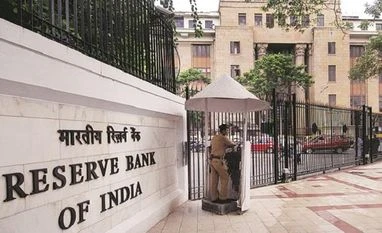 "PSBs, private banks divided over linking rates to external benchmark")












 Connect with us on WhatsApp