RBI mulls all-India presence for proposed small banks
BS Reporter Mumbai The Reserve Bank of India (RBI) will allow small banks to have a pan-India presence, against its earlier proposal that they can have it only in a few districts.
In its draft guidelines for small banks, the central bank proposed that small banks' presence should be restricted to contiguous districts in a homogeneous cluster of states/Union Territories so that the banks have a "local feel" and culture.
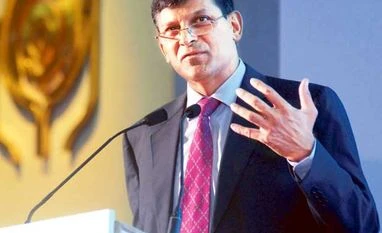
"We have got a lot of useful comments when we had put them (draft norms) out. One of the suggestions was, instead of having local area banks which focus on 2-3 districts, we should allow, for the prosperity of all-India, small finance banks. We accepted this comment but it should be focused on small lending," said RBI Governor Raghuram Rajan at an event organised by National Bank for Agriculture and Rural Development, or Nabard.
The move is seen as a huge relief for non-banking finance companies (NBFCs), particularly the large ones, which already have a pan-India presence. The previous stipulation failed to encourage NBFCs to convert themselves into small banks.
Rajan said these banks would be allowed to take deposits and they would loan predominantly to small entities. "The final guidelines are with the government for comments. I am hopeful that by the end of this month, we will issue the call for applications for both small finance banks as well as payment banks," said Rajan.
Recently, RBI had issued revised norms for NBFCs, which mandates higher provisioning and less time for recognition of non-performing asset - in line with the norms that are mandated for the banks. The new norms will be implemented in a phased manner by 2018.
Since the new norms essentially suggest NBFCs convert into banks, widening the scope of activity of small banks will encourage many players to take the route.
"This is a better idea for NBFCs, as currently they are losing out on funding costs. By converting themselves into small banks, the funding costs will come down and ultimately the benefit of this can be passed on to the customers," said I Unnikrishnan, executive director and deputy chief executive officer of Manappuram Finance. The concept of payments bank appears promising to Manappuram Finance but they will wait for the final guidelines before taking a decision. "The idea of a presence in the whole country and small-ticket loans sounds good," said Unnikrishnan.
In July, RBI had released the draft guidelines for licencing of payments banks and small banks. According to the draft guidelines, both payments banks and small banks are niche or differentiated banks with the common objective of furthering financial inclusion. RBI had invited suggestions and comments on the draft guidelines.
The RBI governor said the final norms will come out in a few weeks. "This licence would offer an avenue for successful microfinance institutions to migrate towards a banking licence without abandoning the core business of working with the small and the excluded," Rajan said.
Rajan said microfinance borrowers should be protected from arbitrary loan pricing. He stressed on the need for reasonable interest rate ceiling for consumer protection. "There should be a reasonable ceiling on interest rate on loans from microfinance lenders for consumer protection," he said.
Following the October 2010 crisis in the then undivided Andhra Pradesh that crippled the microfinance sector, an RBI-appointed panel had suggested 26 per cent monthly cap on interest rates for the sector. This cap was notified by RBI in April 2012. The crisis began after the state government banned recovery by any coercive means.
Rajan expressed his reservations against repeated loan waivers by various state governments, saying the move distorts credit pricing, thereby also disrupting the credit market. "There should be a reasonable ceiling on interest rate on loans from microfinance lenders for consumer protection," he said.
RBI is also planning to revamp its cash transaction system. "We do need physical transactions and physical transaction capabilities in all parts of the country but to the extent we can use existing facilities. Even if we are talking about physical cash transaction through various kinds of entities, RBI is modernising its handling of cash. We are thinking of how we can essentially create a modern cash transaction system. That would also interact with this last mile usage of cash," Rajan said.

 "RBI mulls all-India presence for proposed small banks")


 Connect with us on WhatsApp