Of the eight WLATM players, Tata Communications Payment Solutions is the largest deployer with 8,290 ATMs, followed by BTI Payments (6,249), Vakrangee (4,506), Hitachi Payment Services (3,535), RiddiSiddhi Bullions (681), Muthoot Finance (217), and AGS Transact (119), while Srei Infrastructure has exited the business. The number of ATMs in the country has fluctuated around 240,000 levels since demonetisation on the back of rising operational costs and the emergence of digital modes of payment. This has made the ATM channel unviable for all manner of deployers — banks, brown-label, and WLTAMs.
The WLATM business model was premised on the fact that customers will swipe on ATMs and deployers could pocket the interchange fee of Rs 15. The interchange is the payout by a card-issuing bank when you swipe at other banks’ ATMs (and this includes white-label units). The promise of a hike in the interchange fee to Rs 18 has also not materialised so far. The model was turned on its head when footfalls fell at these WLATMs and operating costs soared. Another blow was when banks started to plonk their ATMs next to WLATMs to cut back on the interchange paid.

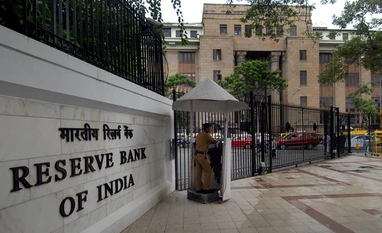 "RBI relaxes norms for the deployment of ATMs by white-label players")









