
RBI removes informal restrictions on rupee NDF trades, says report
The central bank had in October informally communicated to banks to halt building new positions in the NDF market to manage the rupee's volatility
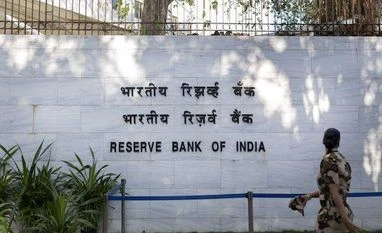 "RBI removes informal restrictions on rupee NDF trades, says report")
WebinarsNew
Deep DiveNew
Explore Business Standard
The central bank had in October informally communicated to banks to halt building new positions in the NDF market to manage the rupee's volatility
The Indian central bank has lifted the informal restrictions on rupee non-deliverable forward trades it had placed on local banks in October, four bankers told Reuters.
All banks are now back to building positions in this segment, said one of the bankers with a private sector lender.
The bankers declined to be named as they are not authorized to speak to media. The Reserve Bank of India did not reply to an email seeking comment.
The central bank had in October informally communicated to banks to halt building new positions in the NDF market to manage the rupee's volatility. The rupee had dropped to record low of 83.29 in October.
NDFs are offshore dollar-settled currency derivatives used by investors with limited access to onshore markets to hedge their exposure or speculate.
The rupee's decline to a record low in October had prompted the gap between onshore and NDF rates to widen, leading to arbitrage opportunities which added to the pressure on the local unit, according to bankers.
The RBI's directions back in October were designed to alleviate this pressure on the rupee.
Onshore and offshore differentials have since narrowed, thanks to the dollar's pullback against its major peers and the U.S. Federal Reserve's less hawkish outlook.
The RBI, now, does not think that banks exploiting any mispricing between the two markets pose a threat to the rupee, another banker at a private sector bank said. The dollar's decline and its relatively stable outlook have helped RBI, the trader said.
The dollar index is hovering around 105, down 8.5% from year-to-date highs.
The 2-year Treasury yield is down 52 basis points from its peak. The Fed is expected to deliver a smaller 50 basis points rate increase this week after four back-to-back hikes of three-quarters of a percentage point.
(Only the headline and picture of this report may have been reworked by the Business Standard staff; the rest of the content is auto-generated from a syndicated feed.)
First Published: Dec 13 2022 | 9:23 PM IST


 Connect with us on WhatsApp