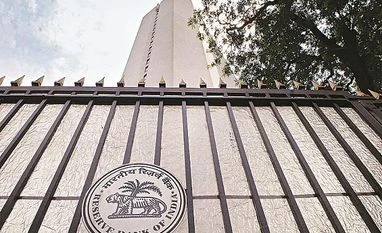
The studies are not the view of the central bank, but are important as these could later help crystalise the RBI’s view on the matter.
The studies were authored by Yaswant Bitra, Manish Meena, and Anubhav Agarwal of the Financial Stability Unit, and Rituraj, M Jagadeesh, Abhishek Kumar, and Amit Meena of the Financial Markets Regulation Department.
One of the studies, titled ‘Market Financing Conditions for NBFCs’, noted that stress in the sector, which started after the IL&FS crisis last year, was accentuated because of Covid-19 related disruptions, and development in the mutual fund sector. Another study 'Issues in Non-Bank Financial Intermediation' largely discusses the NBFC sector's impact on the mutual fund industry. For the purpose of this report, we have quoted from the studies interchangeably, and as one.
Therefore, “further policy interventions may be needed to ensure flow of funds to credit-worthy NBFCs, especially small and medium-sized ones and to minimise systemic risks,” the first study said. These policy interventions should “go beyond liquidity related measures to credit related ones,” the first study said, adding that there is a need to ensure credit and liquidity flow to NBFCs with “concrete credit backstop measures to address the risk aversion in the system, bridge the trust deficit and restore confidence.”
The studies pointed out vulnerabilities in open-ended debt mutual funds because of lack of liquidity in shallow secondary corporate debt markets. Without naming the fund house, it alluded to the Franklin Templeton wind-up episode. “…the recent episode of a debt portfolio manager halting withdrawals has brought the spotlight to bear on the functioning of open-ended mutual funds.” About Rs 1.08 trillion, or 9 per cent, of outstanding market borrowings by NBFCs is expected to mature by July 30, while another Rs 1.6 trillion will be due in the following nine months.
“Some NBFCs could face challenges in rolling over/financing the redemption requirements at competitive rates, given the current financing conditions for the sector,” one study said, adding that the moratorium extended by banks and liquidity measures by the RBI could be of help.
The RBI has announced a number of liquidity enhancing measures, and the government has come up with credit guarantee schemes, but the issue is of solvency.
It is important to preserve NBFCs as their combined asset base was more than Rs 32 trillion at the end of September 2019, up from Rs 14.5 trillion at the end of March 2014, according to RBI. Most of the NBFC funding comes from banks, but NBFCs raised about 31 per cent of their liabilities till December 2019 through corporate bonds and commercial papers.
MFs are the major buyers of these market instruments — accounting for 61 per cent of total outstanding commercial papers issued by NBFCs as of March 2020. Some NBFCs have also recently raised funds from offshore markets as domestic liquidity dried up on risk aversion concerns.
As of April 30, outstanding market borrowings of the top 100 NBFCs, through CPs and bonds (both onshore and offshore), stood at around Rs 12.6 trillion, marginally higher than the Rs 12.5 trillion a year before. Monthly market borrowings in April fell to Rs 33,000 crore. The share of CPs has reduced in favour of foreign currency bonds even as the share of corporate bonds remained stable.
A suggestion was made on stipulating higher limits to debt papers offering higher liquidity as size of the debt scheme increases. The studies said a certain ratio of exposure to government securities in incremental holdings could be stipulated.
One subscription. Two world-class reads.
Already subscribed? Log in
Subscribe to read the full story →
Smart Quarterly
₹900
3 Months
₹300/Month
Smart Essential
₹2,700
1 Year
₹225/Month
Super Saver
₹3,900
2 Years
₹162/Month
Renews automatically, cancel anytime
Here’s what’s included in our digital subscription plans
Exclusive premium stories online
Over 30 premium stories daily, handpicked by our editors


Complimentary Access to The New York Times
News, Games, Cooking, Audio, Wirecutter & The Athletic
Business Standard Epaper
Digital replica of our daily newspaper — with options to read, save, and share


Curated Newsletters
Insights on markets, finance, politics, tech, and more delivered to your inbox
Market Analysis & Investment Insights
In-depth market analysis & insights with access to The Smart Investor


Archives
Repository of articles and publications dating back to 1997
Ad-free Reading
Uninterrupted reading experience with no advertisements


Seamless Access Across All Devices
Access Business Standard across devices — mobile, tablet, or PC, via web or app
)