Breaking his silence over the Rs 135.4-billion (Rs 13,540-crore) Nirav Modi scam at Punjab National Bank (PNB) and expressing deep anguish over the recent spate of banking frauds, Reserve Bank of India (RBI) Governor Urjit Patel on Wednesday said the central bank, like the 'Neelakantha', would consume poison and face brickbats, but it would persist in its endeavour to become better with each trial. Further, calling for reforms to give the regulator the same powers to police state-run banks as it has over private lenders, the RBI chief said that the central bank had "very limited authority" over state-run banks.
Patel's comments came against the backdrop of India's second-largest lender, Punjab National Bank, being defrauded of around Rs 135.4-billion, allegedly by billionaire jeweller Nirav Modi and his uncle Mehul Choksi. The fraud was reportedly perpetrated in connivance with some of PNB's employees.
In a 4,000-plus word speech, the RBI chief called on the country's banks and company backers to behave in godly ways rather than demonic manners – in a reference to Hindu mythology. Patel said that the current enforcement mechanism was "not perceived" to be a major deterrent by fraudsters relative to their perceived gains from such illicit activities.
Governor Patel said RBI was the guard of people's deposits at banks. He added that it would do its best to break the "unholy nexus" between businessmen and bankers. "I have chosen to speak today to convey that we at the RBI also feel the anger, hurt and pain at the banking sector frauds and irregularities. In plain simple English, these practices amount to a looting of our country's future by some in the business community, in cahoots with some lenders," Patel said while delivering a lecture at the Gujarat National Law University.
The RBI chief's comments came after Union Finance Minister Arun Jaitley, without naming any body in particular, recently criticised the inadequate oversight of the financial sector by regulators and auditors.
Patel also made a pitch for "making banking regulatory powers neutral to bank ownership", thereby "levelling the playing field between public sector and private sector banks".
The RBI regulates all banks in India. However, state-run lenders are also regulated by the government, which owns majority stakes in them. This, according to Patel, has effectively led to system of "dual regulation". Patel added that this "fault line is bound to lead to tremors such as the most recent fraud". Patel said the government needed to begin, "informing itself about what to do with the public sector banking system going forward," hinting that a recent $32 billion bailout for the bad-debt laden banks was not the best use of scarce resources.

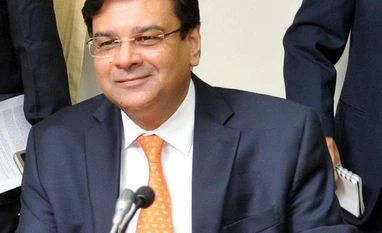 "'RBI to be Neelakantha': Urjit on Nirav Modi PNB fraud; top 10 developments")










 Connect with us on WhatsApp