3 min read Last Updated : Apr 19 2022 | 12:31 AM IST
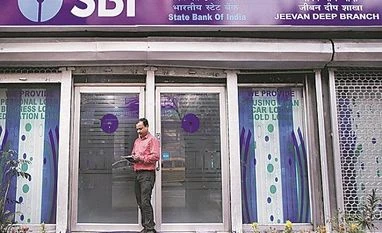
State Bank of India (SBI), the country’s largest lender, and some of the other large banks have started increasing their benchmark lending rate — the marginal cost of funds-based lending rate (MCLR) — a move that will make customers pay more on their housing, auto, and other retail loans.
SBI increased its MCLR by 10 basis points, with effect from April 15, across all tenors (100 bps = 1 percentage point).
The one-year MCLR has been revised to 7.1 per cent while two- and three-year MCLRs have been raised to 7.3 per cent and 7.4 per cent, respectively. The MCLR is a benchmark interest rate, which is the minimum rate at which banks are allowed to lend. Most loans are linked to the one-year MCLR.
Axis Bank, the third-largest private-sector lender in the country, has hiked its MCLR by 5 basis points from Monday. Another private sector lender, Kotak Mahindra Bank, increased its one-year MCLR by 5 bps to 7.4 per cent, from April 16.
Last week, Bank of Baroda, public-sector lender, increased its MCLR by 5 basis points, with effect from April 12.
The increase in the MCLR by various banks has come after the Reserve Bank of India (RBI) sounded hawkish as it turned its focus on tackling inflation, from supporting growth, in the monetary policy review meeting earlier in the month. The six-member Monetary Policy Committee said its focus would be on withdrawing accommodation.
Economists are expecting at least 4 repo rate hikes this fiscal year. The increase in the MCLR rates by banks comes after deposit rate hikes in the past few months.
A senior official of Bank of Baroda recently said there had been an increase in deposit rates on some maturities. The cost of funds for banks, too, has gone up from the funds raised from the markets. Since the MCLR depends on the cost of funds, lending rates have now increased.
“In accordance with the RBI report on Monetary Transmission in India, the share of loans linked to the MCLR stood at 62.9 per cent as of March 2021. So, a hike in interest would mean a heavier repayment burden for a substantial section of the borrowers,” said Adhil Shetty, chief executive officer, BankBazaar.com.
“The general practice is to revise the tenor of loans instead of the EMI. So, an increase in interest rates would mean a longer tenor at the same EMI,” Shetty said.
Due to the ultra-accommodative monetary policy stance and excess liquidity in the system for the last two years, interest rates are at an all-time low with many lenders offering mortgage loans as low as 6.5 per cent.
After the April monetary policy review, yields on the 10-year government bond surged, and are at around 7.15 per cent now.