Seniors at central bank uneasy with Rajan's OSD status
Central bankers say such steps will be interpreted as FinMin's 'we-are-running-the-show' attitude and send a wrong signal to market
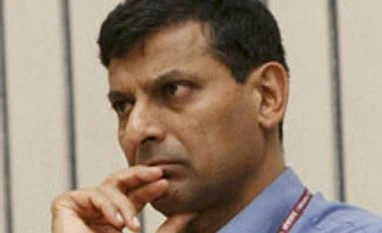
Manojit Saha Mumbai The government’s decision to appoint Raghuram Rajan as officer on special duty before he takes charge as Reserve Bank of India (RBI)governor on September 5 is being interpreted by many in the central bank as a dilution of the stature of the position of an incumbent governor.
While the finance ministry has cited the need for “an overlap with the present governor”, senior employees in RBI said the decision would only strain the central bank-finance ministry relationship further.
“The governor of the country’s central bank doesn’t need any hand-holding. Besides, it creates two power centres, even if for a brief period of three weeks,” said a senior central banker.
Another official said the RBI governor does not require any induction programme. “Was there any such induction programme when he went to the International Monetary Fund?,” he asked, referring to Rajan’s tenure at the multilateral agency as chief economist.
Central bankers said such steps would be interpreted as the ministry’s “we-are- running-the-show” attitude and send a wrong signal to the market about the independence of the central bank.
Central bank watchers said the relationship started deteriorating under the present dispensation of the finance ministry since the October monetary policy review, when RBI kept the rates unchanged against the finance ministry’s wishes.
Later, the finance ministry turned down RBI’s request to extend Deputy Governor Subir Gokarn’s tenure.
In this context, RBI officials are now looking at what the new governor’s stance will be on the recommendations made by the Financial Sector Legislative Reforms Commission (FSLRC). Subbarao had strongly opposed its recommendations.
The FSLRC report called for a total overhaul of the existing financial system, by merging the oversight functions of the market, commodity, insurance and pension regulators.
“The FSLRC recommendation that the executive responsibility for safeguarding systemic risk should vest with the FSDC Board runs counter to the post-crisis trend around the world of giving collegial bodies responsibility only for coordination and for making recommendations,” Governor Subbarao had said.
The FSLRC gave its report to the government in March.
“RBI is also of the view that in a bank-dominated financial sector like that of India, the synergy between the central bank’s monetary policy and its role as a lender of last resort on the one hand and policies for financial stability on the other is much greater,” Subbarao had said.

 "Seniors at central bank uneasy with Rajan's OSD status")


 Connect with us on WhatsApp