The Ethiopian Airlines crash is under investigation by Ethiopian authorities, with the assistance of members of the U.S. National Transportation Safety Board. Other countries – including Kenya, France, Canada, China, Italy and the U.K., which all lost several citizens in the crash – may ask to be part of the process.
Ethiopian investigators can seek technical advice not only from participating countries’ representatives, such as the NTSB, but also from the companies that made the plane and its engines – in this case, Boeing and CFM international, respectively.
From emergency to inquiry
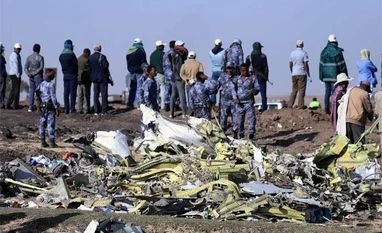
At the beginning of the inquiry, the investigator-in-charge, usually an investigator from the lead country’s aviation safety board, coordinates with local first responders to determine what hazards may be present at the crash site, and ensures safe access for investigators to visit the wreckage. Dangerous debris could include hazardous cargo, flammable or toxic materials and gases, sharp or heavy objects and pressurized equipment. Human remains or blood from injured victims may also pose dangers of disease, meaning investigators must protect themselves against viruses, bacteria or parasites.

 "An aviation expert explains how airplane crash investigations work")










 Connect with us on WhatsApp