
Bitcoin rallies 3.6% breaking $17,000 to touch its highest level since 2018
Bitcoin has soared over 130% this year, and is up more than four-fold from its March lows
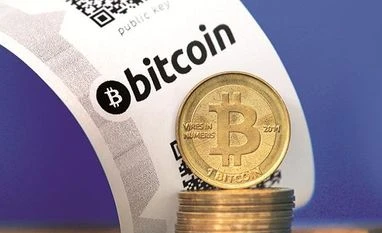 "Bitcoin rallies 3.6% breaking $17,000 to touch its highest level since 2018")
WebinarsNew
Deep DiveNew
Explore Business Standard
Bitcoin has soared over 130% this year, and is up more than four-fold from its March lows
By Tom Wilson
LONDON (Reuters) - Bitcoin passed $17,000 on Tuesday to touch its highest level this year, with investors ascribing the gains to demand for its perceived inflation-resistant qualities and expectations of wider mainstream acceptance.
The original and biggest cryptocurrency climbed 3.6% to $17,325, its highest level since Jan. 2018 - just after the peak of its 2017 bubble.
Bitcoin has soared over 130% this year, and is up more than four-fold from its March lows.
Its all-time high is $19,666, scaled in Dec. 2017 on the back of retail investor-fuelled buying frenzy.
Other major cryptocurrencies including ethereum and XRP, which often move in tandem with bitcoin, climbed between 2%-4%.
Powering bitcoin's 2020 rally has been strong appetite for riskier assets in the wake of unprecedented government and central bank stimulus measures to combat the COVID-19 pandemic, and a growing attraction to its purported inflation-proof qualities.
Investors such as family offices, which manage money on behalf of wealthy individuals, have sought out the cryptocurrency as a hedge against any future inflation that stems from central bank stimulus measures, analysts said.
Bitcoin's supply is capped at 21 million. Proponents say its scarcity provides an innate value and shields it from central bank or government policies that stoke inflation.
"The virus crisis is propagating the reassessment of bitcoin," said Nikolaos Panigirtzoglou, an analyst at JPMorgan. "There is a reassessment about its value here as an alternative currency, as an alternative to gold."
Also supporting prices, investors said, were expectations that bitcoin is being embraced by mainstream companies and moving towards the widespread use as means of payment that it has largely failed to achieve thus far.
Last month, PayPal said it would open its network to bitcoin and other cryptocurrencies. Bitcoin has risen by nearly half since PayPal's move.
"The ultimate endorsement of crypto is whether you can buy your groceries with it and pay taxes with it," said Russ Mould, investment director at AJ Bell. "That would be the ultimate acceptance."
(Reporting by Tom Wilson; Editing by Pravin Char)
(Only the headline and picture of this report may have been reworked by the Business Standard staff; the rest of the content is auto-generated from a syndicated feed.)
First Published: Nov 17 2020 | 10:46 PM IST


 Connect with us on WhatsApp