Health-care costs are a bit like the weather: Everyone talks about them, but no one ever does anything about it. They differ, however, in this regard: People want to do something about health-care costs. A partnership of Amazon.com Inc., Berkshire Hathaway Inc. and JPMorgan Chase & Co. is forming an independent company, “free from profit-making incentives and constraints” to “provide US employees and their families with simplified, high-quality and transparent health care at a reasonable cost”. They say they’ll be “tackling the enormous challenges of health care and harnessing its full benefits.”
While the initial focus will be on technology, and the efforts will be aimed only at employees of the three firms, one suspects the ambitions are slightly bigger: building a business that can somehow tamp down the pressures that drive health-care costs ever upward. In remaking the market for health care services, they might even divert some small fraction of that gross national spending into their own pockets.
The question is, can they? Or will they, like many others before them, start building what they think is a mighty levee, only to see it collapse under the pressure as the flood waters roll on?
It’s not entirely crazy to think that they might.
Start with the little-known fact that most large companies self-insure. They generally pay outside firms to administer their health insurance for them, but they are financially responsible for the claims. A large employer is a little statistical universe, with unusually healthy employees balancing out the bills for the unusually sick ones. So while those companies are not experts in managing health insurance in the way that, say, Aetna is, they do have some experience with it.
Add in the fact that Amazon is really, really good at technology — and most health-care companies aren’t. Much medical technology is wondrous, to be sure — but the systems that tie all that technology together are, by the standards of any other industry, a hot mess. There are a number of reasons for this, from privacy laws to provider fragmentation, but it’s hard to escape the conclusion that part of the reason health care IT is so bad is that it simply doesn’t have to be very good. Large parts of health care are sheltered from normal competition, because people don’t shop around for doctors and hospitals, and the companies paying the bills don’t have a great deal of control over the system.
The health-care companies that do IT well don’t necessarily get rewarded for it, because the payment systems aren’t set up to deliver those rewards. So the normal incentives that drive companies to use information technology to make themselves more efficient simply aren’t as strong in health care as they are in other industries — at least on the provider side.
But as customers with a combined employment base of over a million people, Amazon and JPMorgan and Berkshire Hathaway may have the incentives, and the expertise, to do it right.
That said, there are other companies in the industry, with an incentive to get technology right, and so far, few of them have managed to overcome all of the obstacles that the system puts in their way. The dysfunctional incentives of third-party payer, where the people making the decisions seldom have any reason to reward efficiency… the incredible fragmentation of the market, which makes it hard to come up with big, unified solutions… the fierce resistance of providers to adopting new ways of doing things… and if you somehow manage to surmount all of those obstacles, and actually start rationalising things, the tendency of legislators and regulators to come steaming in with some new law or regulation that renders your idea illegal.

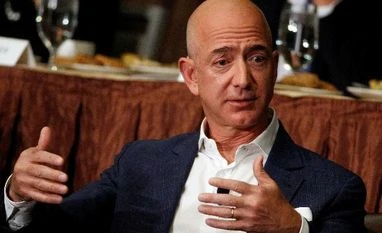 "Can Amazon and co. transform health care? It's not a crazy idea")


 Connect with us on WhatsApp