While a default is widely expected by investors, it has important implications. Many of Sri Lanka’s bonds have so-called cross-default clauses, which drag all the outstanding dollar debt into default if there’s a missed payment in a single bond. On the debt due in 2023 and 2028, the clause is triggered if any payment that exceeds $25 million is not met.
“At this point most bondholders who are unwilling or unable to hold distressed credits should already have cleared out,” said Patrick Curran, a senior economist at Tellimer.
Sri Lanka has been rattled by power cuts, food shortages, and a currency in free fall, which fueled protests and pushed Prime Minister Mahinda Rajapaksa to resign. His brother, President Gotabaya Rajapaksa, last week appointed a long-time opponent to run the government in a bid to bring a modicum of stability to the country amid bailout talks with the International Monetary Fund.

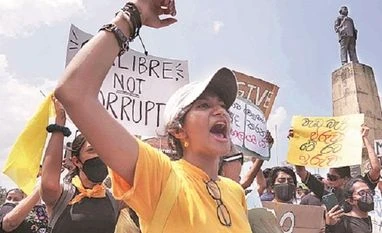 "Crisis-hit Sri Lanka stumbles toward its first default on foreign debt")










 Connect with us on WhatsApp