
Cryptic Musk post goes viral in China amid clash with World Food Program
On his official Twitter and Weibo accounts on Tuesday, Musk wrote in English "Humankind" before posting an abbreviated version of the 'Seven Steps Verse' in Chinese.
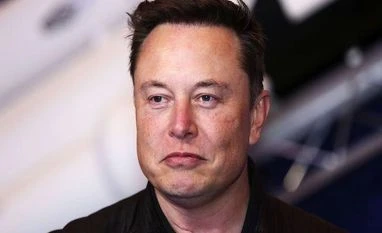 "Cryptic Musk post goes viral in China amid clash with World Food Program")
WebinarsNew
Deep DiveNew
Explore Business Standard
On his official Twitter and Weibo accounts on Tuesday, Musk wrote in English "Humankind" before posting an abbreviated version of the 'Seven Steps Verse' in Chinese.
By Eduardo Baptista
HONG KONG (Reuters) -More commonly known for sparking debate on Twitter, Elon Musk was the centre of speculation on Weibo on Tuesday after the Tesla CEO posted a poem on the Chinese site that some took to be an extension of his clash with the U.N's World Food Program.
Musk and World Food Program (WFP) head David Beasley have been engaging in a heated debate since Beasley last week challenged billionaires to give more of their wealth to end hunger. Musk countered by saying he'd sell $6 billion in Tesla stock and donate it to the WFP, provided the organization disclosed more information about how it spent its money.
On his official Twitter and Weibo accounts on Tuesday, Musk wrote in English "Humankind" before posting an abbreviated version of the 'Seven Steps Verse' in Chinese.
The highly allegorical poem describes the relationship between two brothers from a royal family during China's warring Three Kingdoms period that is taught in all of China's primary schools about the importance of getting along.
Musk followed the poem with a Weibo post about the WFP, restating his earlier tweets that if the organization can "accurately explain how more than $6 billion will solve the global famine problem, I will immediately sell Tesla's stock and then donate."
Discussions about how to interpret Musk's posts trended heavily on Weibo on Tuesday, receiving over 100 million views. Twitter is blocked in mainland China.
Reference News, linked to the state-run Xinhua news agency, said Musk's post could be a nod to his debate with the WFP.
Other interpretations suggested Musk was alluding to rival dog-themed cryptocurrencies, shiba inu and dogecoin, which he has also been tweeting about this week. His tweets are known for moving cryptocurrency markets, although cryptocurrency trading is banned within China's borders.
Tesla did not immediately respond to a request for comment on the meaning of Musk's posts.
The Wiebo updates mark a departure from Musk's typical messages on the platform, where he has 1.9 million followers and frequently praises China for its space programme and its economic growth over the past three decades.
Musk, who is also behind rocket maker SpaceX, has remained a popular figure in China even amid deteriorating U.S.-China relations and regulatory criticism of Tesla, which operates a factory in Shanghai.
(Reporting by Eduardo Baptista Additional reporting by Yilei SunEditing by Brenda Goh, Lincoln Feast and Mark Potter)
(Only the headline and picture of this report may have been reworked by the Business Standard staff; the rest of the content is auto-generated from a syndicated feed.)
First Published: Nov 02 2021 | 9:27 PM IST


 Connect with us on WhatsApp