
Germany: G7 rejects Russia's demand to pay for gas in rubles
In our situation, it's hardly possible and feasible to engage in charity for Europe, Peskov said
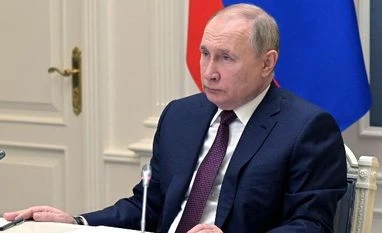 "Germany: G7 rejects Russia's demand to pay for gas in rubles")
WebinarsNew
Deep DiveNew
Explore Business Standard
In our situation, it's hardly possible and feasible to engage in charity for Europe, Peskov said
The Group of Seven major economies have agreed to reject Moscow's demand to pay for Russian natural gas exports in rubles, the German energy minister said Monday.
Robert Habeck told reporters that all G-7 ministers agreed completely that this (would be) a one-sided and clear breach of the existing contracts. He said officials from France, Germany, Italy, Japan, the United States, the United Kingdom and Canada met Friday to coordinate their position and that European Union representatives also were present.
Habeck said that payment in ruble is not acceptable and we will urge the companies affected not to follow (Russian President Vladimir) Putin's demand.
Putin announced last week that Russia will demand unfriendly" countries pay for natural gas only in Russian currency from now on. He instructed the country's central bank to work out a procedure for natural gas buyers to acquire rubles in Russia.
Economists said the move appeared designed to try to support the ruble, which has collapsed against other currencies since Putin invaded Ukraine on Feb. 24 and Western countries responded with far-reaching sanctions against Moscow. But some analysts expressed doubt that it would work.
Asked by reporters earlier Monday if Russia could cut natural gas supplies to European customers if they reject the demand to pay in rubles, Kremlin spokesman Dmitry Peskov said in a conference call that we clearly aren't going to supply gas for free.
In our situation, it's hardly possible and feasible to engage in charity for Europe, Peskov said.
Asked what happens if Russia turns off the taps now, Germany's energy minister said, We are prepared for all scenarios.
Putin's demand to convert the contracts to ruble (means) he is standing with his back to the wall in that regard, otherwise he wouldn't have made that demand, Habeck said, adding that Russia needs rubles to finance its war at home, such as payments to troops.
(Only the headline and picture of this report may have been reworked by the Business Standard staff; the rest of the content is auto-generated from a syndicated feed.)
First Published: Mar 28 2022 | 7:20 PM IST

