
GSK's drugs arm to get $11 billion windfall from consumer spin-off
Investors have been waiting for details of the separation
 "GSK's drugs arm to get $11 billion windfall from consumer spin-off")
WebinarsNew
Deep DiveNew
Explore Business Standard
Investors have been waiting for details of the separation
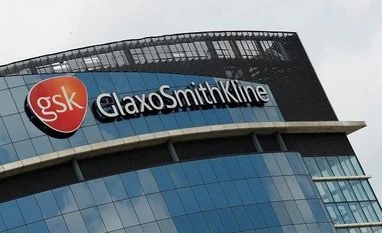
GSK set out plans on Wednesday to turn its consumer healthcare business into a separately listed company, aiming to strengthen drug development at its pharmaceuticals business with an 8 billion pound ($11 billion) windfall.
Investors have been waiting for details of the separation, which was first unveiled in December 2018 when GSK agreed a joint venture for consumer brands such as Sensodyne toothpaste and Advil painkillers with Pfizer.
The demerger planned for the middle of next year will allow GSK to focus on bolstering a core drugs business, which has been hit by a lack of fast-growing products and patients deferring treatments due to the COVID-19 pandemic.
Despite being the world's biggest vaccines maker, GSK has also been beaten by the likes of Pfizer, Moderna and AstraZeneca to making a COVID-19 vaccine.
"I am very aware that GSK shares have underperformed for a long period," CEO Emma Walmsley told a news conference.
"Together, we are now ready to deliver a step-change in growth for New GSK and unlock the value of Consumer Healthcare," added Walmsley, who plans to stay on after the demerger.
Pressure has been increasing on Walmsley following a report in April that activist investor Elliott had taken a multibillion-pound stake in GSK.
SALES GROWTH
GSK is currently valued at about 10.3 times its forecast core earnings, including net debt, below an average of more than 12 for global pharma majors, Refinitiv Eikon data shows.
Its shares, which have fallen about 14% over the past 12 months, were up 0.8% to 1,406.2 pence at 1055 GMT.
GSK forecast the pharmaceuticals business would increase sales by more than 5% a year to 2026, broadly in line with analysts' current expectations.
It said that business was expected to receive a dividend of up to 8 billion pounds from the consumer arm, which will have its own listing on the London Stock Exchange.
As expected, the consumer operations will take on a higher share of debt and the combined dividend of the two businesses will be reduced.
That should help to give the pharmaceuticals business in particular more scope to invest in drug development and deals.
GSK shareholders will receive stock in the new consumer healthcare group amounting to at least 80% of the 68% stake that GSK currently owns in it. Pfizer has the remaining 32%.
For even more financial fire power for New GSK, it aims to sell the remaining stake of up to 20%, seen only as a short-term investment, "in a timely manner," the group said.
($1 = 0.7161 pounds)
(Reporting by Pushkala Aripaka in Bengaluru and Ludwig Burger in FrankfurtEditing by Mark Potter and Keith Weir)
(Only the headline and picture of this report may have been reworked by the Business Standard staff; the rest of the content is auto-generated from a syndicated feed.)
First Published: Jun 23 2021 | 6:01 PM IST

