Marilyn Monroe's 'best friend' is now cheaper than a decade ago, but fewer seek it
Diamonds are now cheaper than they were in 2006, data from PolishedPrices.com show
Bloomberg In the diamond industry, even the crooks are old-fashioned.
The ringleaders jailed for a $20 million jewellery heist in London last year were in their sixties and seventies, so it's no surprise they'd go after the gems. They're old enough to remember when advertisers said diamonds were forever and Marilyn Monroe sang that they were a girl's best friend.
Not anymore. Diamonds are losing their allure for many consumers more interested in spending money on vacations, fancy handbags and high-tech gadgets. Mine owners like De Beers - who helped dream up those successful marketing campaigns in years past - have been unable to prevent prices from dropping below where they were a decade ago, a sign the industry is failing to maintain the cachet of its brand.
"I'm not really a jewellery person," said Catherine Weir, 32, who was window shopping last month with her fiance in Hatton Garden, London's jewellery district, just yards from the site of the Easter-weekend heist. "It was always diamonds for an engagement ring, maybe for a wedding band and that's it. iPads and things like that are much more accessible."
Diamonds are now cheaper than they were in 2006, data from PolishedPrices.com show. Over the same period, the price of luxury items like cars, shoes and fine foods have risen at above-inflation rates, according to a Forbes index. Demand for luxury jewellery rose just 1.9 per cent a year from 2004 to 2013, trailing high-end beauty products, tobacco and watches, according to De Beers's 2014 Insight Report on industry trends.
Efforts by producers, including De Beers and Alrosa PJSC, to push prices higher in the past five years unraveled in 2015. Polishers who buy the raw gems and sell to wholesalers and retailers were unable to pass on the higher costs as consumers balked. A threat to boycott auctions of rough gems by buyers in India, where almost 90 per cent of the stones are cut, ended with De Beers lowering prices 15 per cent for the year and another 7 per cent in January. "Producers cannot simply just increase rough prices and expect consumers to pay more for diamond jewellery," said Anish Aggarwal, a partner at industry consultant Gemdax in Antwerp. "Consumer demand cannot be taken for granted, even in mature markets and especially with millennials."
Earlier generations were easier to influence.
Diamond slogan
De Beers' monopoly on diamond supply in the 20th century meant money spent on persuading consumers to pay high-end prices for commodity minerals paid off in surging sales. The investment led in the 1940s to creation of the slogan "A diamond is forever," and the industry heavily promoted the gems for engagement rings. Jewellers loaned pieces to celebrities like Monroe and 1944 best actress Oscar winner Jennifer Jones to create a buzz around the product as a luxury item.
The new millennium brought the end of the monopoly, meaning other suppliers were able to sell their gems piggybacking on De Beers' advertising. The company cut its marketing budget in half to about $100 million a year through the 2000s.
"The industry is a victim of its own history," said Charles Wyndham, a former sales director at De Beers and founder of WWW International Diamond Consultants Ltd. "Everyone had a pretty easy ride when De Beers had its monopoly. Everybody has got to think how they can turn it around. It requires a huge cultural change."
De Beers is getting the message. On top of its global advertising spending, the company plowed tens of millions of dollars into a push to spur jewellery sales in the key US and Chinese markets in 2015.
Last year's creation of the Diamond Producers Association, bringing De Beers and Alrosa together with Rio Tinto Group, Dominion Diamond Corp, Lucara Diamond Corp, Petra Diamonds Ltd and Gem Diamonds Ltd, seeks to revive the kind of industrywide advertising seen during the monopoly years.
In one early positive omen, De Beers managed to raise rough prices by as much as 2 per cent in a sale this week, the first increase in more than a year.
"It's got to come down to ad-spend," said Ben Davis, a mining analyst at Liberum Capital Ltd "They just need to bite the bullet."

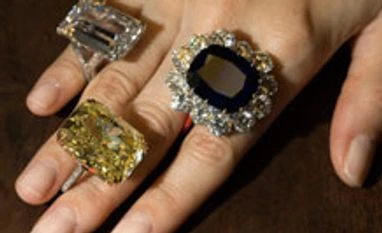 "Marilyn Monroe's 'best friend' is now cheaper than a decade ago, but fewer seek it")


